It’s been two months since I last shared what I’ve been reading. In addition to the books for my Scandinavian Book Group and local book club, I read books that hadn’t even been on my radar before, which is always kind of fun. School and fall activities have begun in earnest, so it wasn’t as productive a reading time as last time, but it was still very fulfilling. Continue reading →
Los Angeles is one of the most diverse metropolitan areas in the United States. Here are some special events happening in LA this month. Mark your calendars, but please check suitability for family members and confirm dates and times before heading out.
For Scandinavian enthusiasts, there are a few events this month!
Opening October 6 at Laemmle’s Royal Theatre in West Los Angeles and Town Center 5 in Encino is the Norwegian movie The King’s Choice directed by Erik Poppe. The movie is based on the true story about three dramatic days in April 1940 when the King of Norway was presented with an “unimaginable ultimatum” from the German armed forces: surrender or die. It is only playing for one week until October 12. See it while you can! I recommend it. I even took my kids to see it when it was screened at the Scandinavian Film Festival earlier this year so they could learn about the country of their heritage. Kenneth Turan of the Los Angeles Times wrote a strong review of the movie: ‘The King’s Choice’ takes a gripping look at Norway’s little known conflict during WWII.
On Sunday, October 8, the Scadinavian American Cultural and Historical Foundation will honor Leif Erikson, the first European to discover America, and John Ericsson, the designer of the revolutionary ironclad ship USS Monitor (1862), at their Leif Erikson Day Celebration at California Lutheran University in Thousand Oaks.
On Thursday, October 12, Norwegian film Vidar the Vampire will be screened at ScreamFest LA in Hollywood. The director will attend and do a Q&A following the film. For details on the screening, click here.
And finally, later in the month, on Sunday, October 22, Vasa Park Association will host their annual Scandinavian AutumnFest & Höstmarknad Celebration in Agoura which includes a Swedish meatball contest. More details are available in the description below.
One of my favorite LA events returns this month – CicLAvia. It has become a yearly tradition that they plan an event in Downtown LA in October, where it all started seven years ago. Echo Park is new to the route this year, which I’d love to check out. The big question is, who in my family will join me this year?
How will you explore the richness of Los Angeles this month? Continue reading →
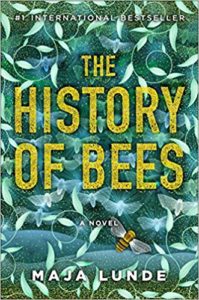
Knowing my love of reading and joy in discovering new Norwegian works, my parents gifted me Maja Lunde’s The History of Bees in Norwegian over a year ago. I wish I hadn’t waited so long to read it. It is such an interestingly structured and thought-provoking book about humans’ relationship to bees as well as relationships and expectations between family members. I really enjoyed it and highly recommend it, and luckily, now non-Norwegian readers in the US can enjoy it as well since it very recently came out in translation here.
I’m always curious about how works in original language compare to their translated versions. Usually, I just read my Norwegian books in Norwegian, but this time I actually had the opportunity to read it in English as well. (The US publisher Touchstone kindly provided me with a digital advanced readers copy.) I was impressed by Diane Oatley’s translation. It was a very smooth reading experience in English. Nothing jumped out at me as being different from the Norwegian edition. In particular, I was impressed with how well she treated the different language usage by each of the main characters. Continue reading →
If you weren’t able to travel as far and wide as you would have liked to this summer, then September is your chance to make up for it. Throughout the month, there are special festivals, exhibits, walking tours, and workshops that offer you the chance to explore cultures from all over the world right here in Los Angeles as well as visit new-to-you areas to broaden your horizons. And this Labor Day Weekend in particular there is an exceptional number of events to consider.
And for Scandinavian enthusiasts, there are two special Scandinavian festivals going on this month. Unfortunately, neither are in the local Los Angeles area, but both could make for interesting excursions out of town. During the weekend of September 15 to 17, Solvang in Santa Barbara County celebrates its Danish heritage with the 81st annual Solvang Danish Days festival. The following weekend, September 23 and 24, you can experience all things Viking and Scandinavian at the Vista Viking Festival in San Diego County.
How will you explore the richness of Los Angeles this month?Continue reading →
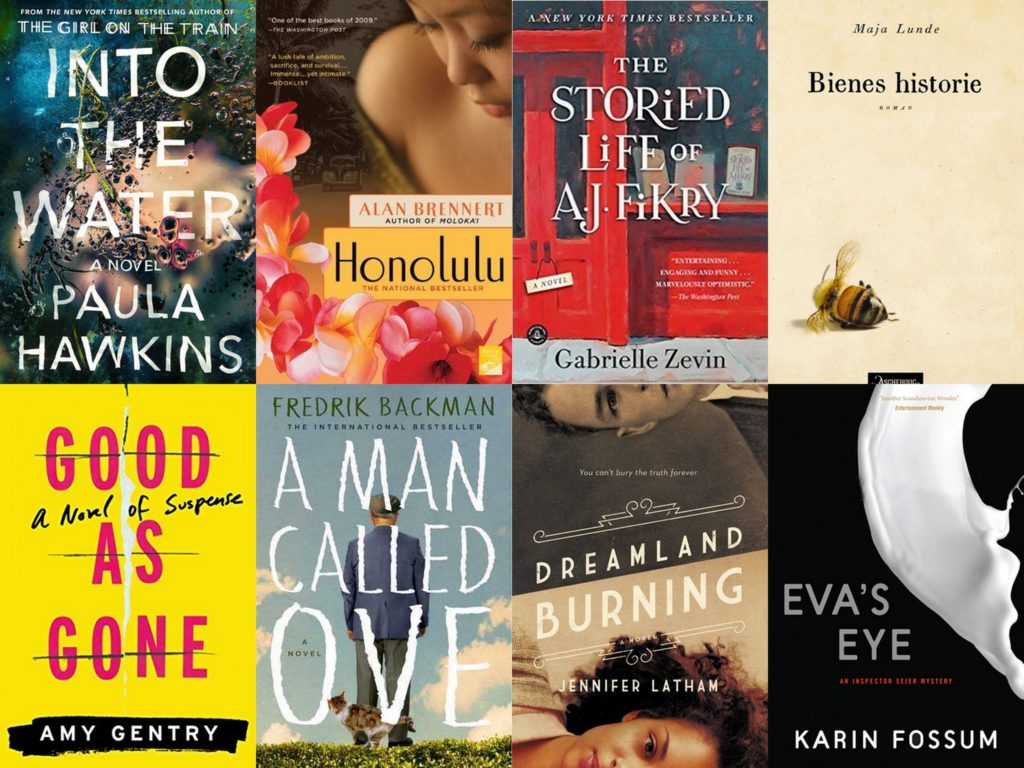
Once again, I’m joining Modern Mrs Darcy’s Quick Lit link-up where readers share short and sweet reviews of what they’ve been reading lately. It’s been two months since I last shared what I’ve been reading, and it’s been vacation time with plane rides and down time, so I’ve had a chance to read quite a few titles. Luckily, all of them were worth finishing this time.
Did you know that August is Women in Translation Month? I just learned that this month. I seized the opportunity to add some female authors in translation to my reading list. Continue reading →
I’m always so surprised when I hear about something which I feel I should have known about before but didn’t. That happened recently with Women in Translation Month (WITmonth), an annual month-long reading event dedicated to promoting women writers from around the world who write in languages other than English. It takes place every August. This is right in my wheelhouse – reading, books in translation, women – how could I miss it?
WITmonth has given me incentive to dig a little deeper to find Norwegian female authors whom I may not have been aware of it. A great source of information was lists of winners of various Norwegian and Scandinavian literary awards (see end of post for list of awards). My list of Norwegian female authors is by no means an exhaustive list. In my digging, I found that many Norwegian female authors’ works in translation are not available in English (but readily available in many other languages!) or no longer in print in English.
Usually, I read my Norwegian books in Norwegian, but occasionally I make an exception. For example, sometimes the cost of getting a book in Norwegian instead of English is not warranted. Other times, if the book is written in nynorsk (New Norwegian) instead of Bokmål (Book Language), I will read it in English instead since I’m not as comfortable with nynorsk. Now, I have another reason, to support Norwegian female authors in translation and their translators.
Many of these authors I’ve already heard about, some I’ve already read, others were already on my TBR list, many were new to me. I’d love to hear your thoughts on these authors. Continue reading →
Seeing Vulkan Bee Garden at Mathallen was high on my wishlist for this summer’s visit to Oslo. These urban beehives are not your ordinary beehives. They are an art installation as much as a beehive. The Vulkan beehives were designed by Norwegian architecture firm Snøhetta, the same firm that designed Oslo’s National Opera House, New York City’s National September 11 Memorial Museum Pavilion, and so many other interesting projects around the world.
I remember reading about Oslo creating the world’s first highway for bees a couple of years ago and feeling great pride that my country was doing that. The bee highway’s aim was to “give the insects a safe passage through the city” by providing food and shelter as they traversed the city from one end to the other. This was not a government initiative, but rather one by ByBi, an urban guild of beekeepers. Participants in the project are varied – businesses, schools, associations, and private individuals. Everyone is encouraged to build bee-friendly feeding stations and accommodations in the city.
The Vulkan beehives were installed in 2014. As explained by Vulkan on their page about the bee garden, “The natural honeycomb geometry was the inspiration for the form and pattern, along with the bees own production pattern; the hexagon-shaped cells bees store their honey in. Using a light colored wood with a finish that is honey in tone makes the hives look like big hexagon jars of honey.” Inside the structures are standard foam beehives.
So I made plans to meet my aunt for lunch at Mathallen, a food court with specialty shops and cafes, and a lovely lunch we had. It wasn’t until we were on our way out that I discovered where the beehives were. Next time I’ll see about enjoying my lunch outside Mathallen instead so I can appreciate the beehives a little longer than just passing by. It would also be fun to buy some Vulkanhonning, honey from the Vulkan beehives, while I am there.
On a related bookish note, I am currently reading a Norwegian novel called Bienes historie by Maja Lunde that I highly recommend. It will be released in the USA as The History of Bees on August 22. The novel includes three storylines which all revolve around the importance of bees, or lack thereof. The first storyline takes place in England in the mid-1850s when beehives are being improved, the second one in USA in 2007 when there is an increase in the number of colony collapse disorders being reported, and the last one in China in 2098 when humans have had to resort to hand-pollination due to the total collapse of bees. I’m really intrigued by the book and am happy that English readers can also enjoy it soon. I encourage you to check it out.
For some insight into the beekeeping at Vulkan beehives, here’s a short video. It is in Norwegian, but the images are worth your time.
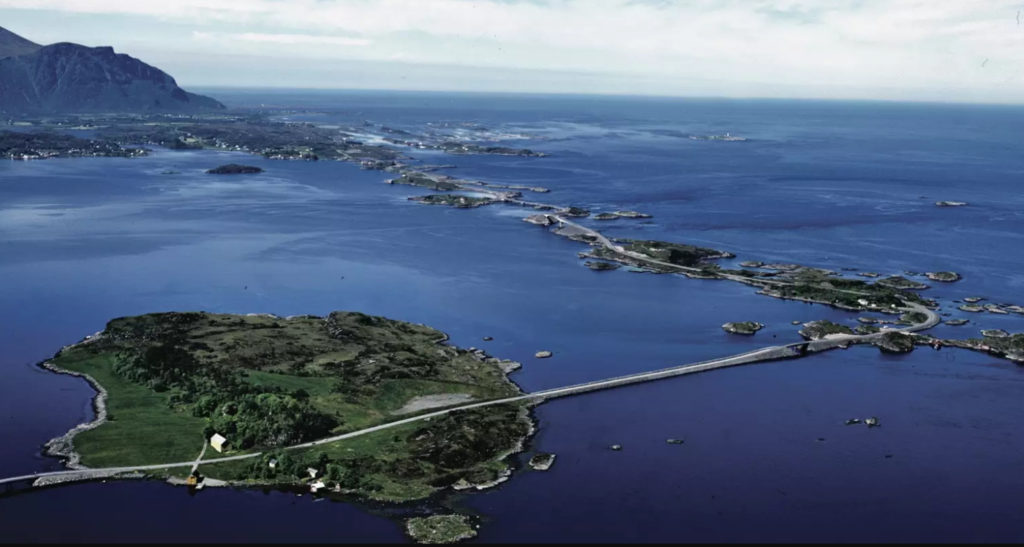
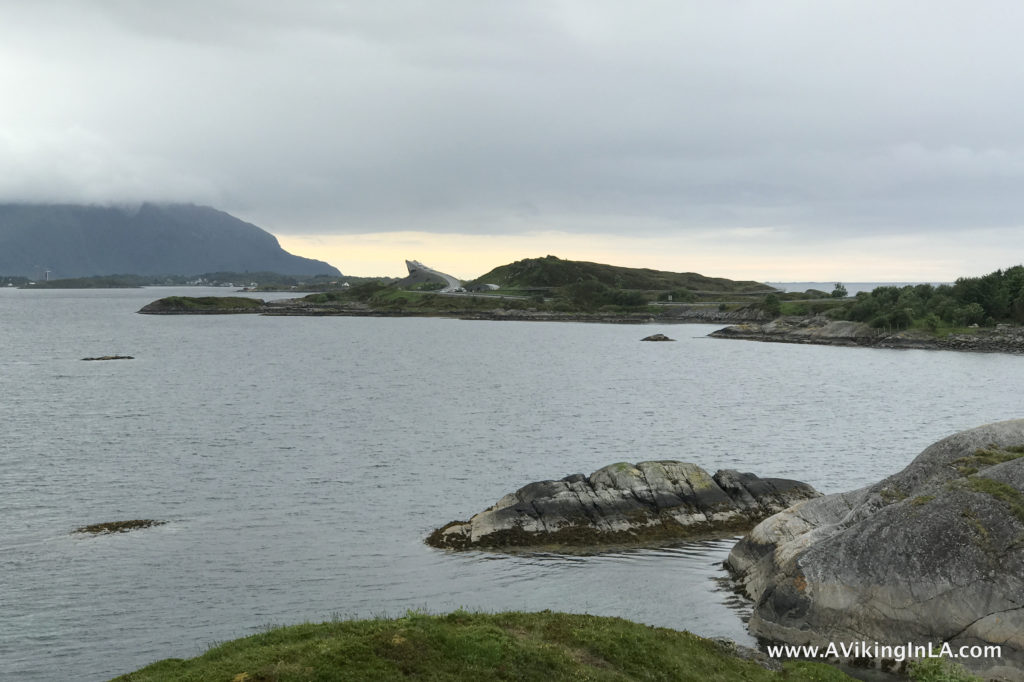
I’ve been fascinated by the Atlantic Road on Norway’s west coast since I learned about it a few years ago. It looked like a real life rollercoaster ride hopping from island to island along the outermost edge of the coast. Bad weather seemed to make it even more extraordinary.
Photo credit: www.visitnorway.com
The road is one of Norway’s 18 official national tourist routes. It opened in 1989, and in 2005, it was voted Norway’s “Engineering Feat of the Century”. It is built on several small islands, skerries, and landfills and is spanned by seven bridges. Many consider it one of the world’s most beautiful drives as well.
We came at it from the north via Kristiansund after a visit to Trondheim. We drove through Atlantic Ocean Tunnel (an undersea tunnel about 3.5 miles long) from Kristiansund to the island of Averøy and made our way along Route 64 with a final destination of Molde.
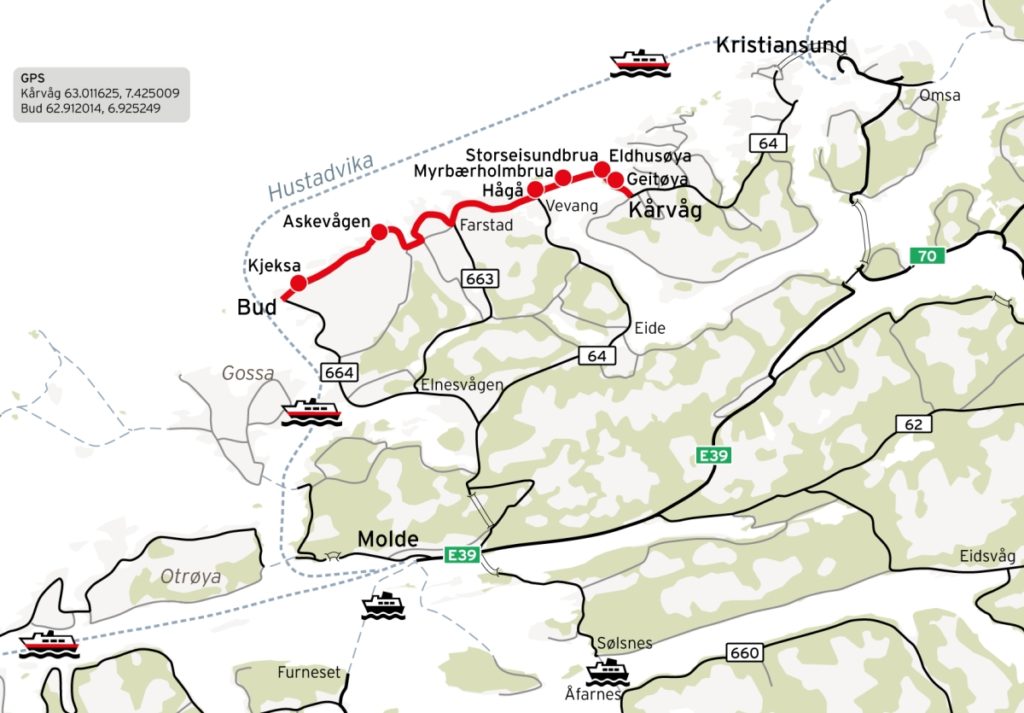
A quick Internet search of the Atlantic Road will tell you it is a 5-mile stretch between Kårvåg and Vevang along Route 64 (Wikipedia, Google Maps, various articles). However, as you can see on the official site of National Tourist Routes in Norway, the full route is actually about 22 miles and goes all the way to Bud from Kårvåg on a series of smaller roads (Roads 64/242/663/238/235). The most dramatic stretch, however, is probably the 5-mile section between Kårvåg and Vevang.
Due to time constraints, we were unfortunately only able to drive the 5-mile stretch. Bad weather during our stay in Trondheim meant we had to use the morning of our departure for some must-see sightseeing and so we got on the road much later than planned. Also, we were delayed by an unexpected ferry ride which added some down time to our drive.
We didn’t get to the start of the Atlantic Road until 6:30PM! Yes, it stays light late during summertime, but we still had to get to our hotel in Molde that day and the kids could only handle so much in a day. And our stomachs were getting hungry for dinner as well.
For us, the weather was neither good nor bad. It was cloudy and drizzled on and off. In one way, that was good because it allowed us to get out of the car without getting soaked. But, on the other hand, a beautiful evening sun and clear skies would have added greatly to our enjoyment of the area.
Despite the constrained time and lackluster weather, it was an interesting experience to drive along the Atlantic Road and I’m glad we went out of our way to do it, but I was a little underwhelmed and feel it merits a revisit. Part of the reason I felt a little underwhelmed was that 5 miles is a very short stretch after 4 ½ hours of driving from Trondheim. Had we had time to drive and explore the full route I’m sure we would have felt it much more worthwhile.
The family along hiking path on Eldhusøya with Storseisundbrua in background
For us, the highlights were a short walk around the island of Eldhusøya and the drive over the main bridge Storseisundbrua. The island of Eldhusøya has an elevated path that goes around the island and provides views of the open ocean beyond. Along the path, there is a memorial to those lost at sea (and even a geocache!). Storseisundbrua is the longest bridge on the route and the route’s symbol. As you hit to crest of the bridge, you get a wonderful view of the road and the many little islands ahead. Too bad there wasn’t a stopping point there. Another interesting bridge we crossed was Myrbærholmbrua. It has specially built fishing walkways on either side. Had we had more time I would have liked to park and walk along them to see what kind of fish they were pulling in.
At the top of Storseisundbrua with a view of road and small islands ahead
The rest of the tourist route after we turned off for Molde seems to have some interesting attractions as well: Hågå with the broken-looking serpent-like marble sculpture called Columna Transatlantica, Askevågen at the end of the breakwater with glass walls for protection against the weather and spray, and Kjeksa with paths and steps leading down to the edge of the sea. They all seem worthy of visits. (Photo credits for images below: Nasjonale turistveger)
As seen in the video, they recommend making time for the following activities:
Float 550 meter around Eldhusøya (walk the elevated path)
Go deep sea fishing with an expert (or fish off the walkways on the bridges)
Visit the coastal town of Håholmen (and eat clipfish and experience Viking culture)
See the artwork Columna Transatlantica
Bike or hike the coastal trail at Farstad
Windsurf or kitesurf on Farstadstranda
Hike to the top of Stemshesten for an alternate view of Atlantic Road
One of those experiences, the Eldhusøya visit, we did have a chance to do, and others would not have been appropriate for our family, but I would have loved the opportunity to visit Håholmen, hike the coastal trail at Farstad, and see Columna Transatlantica with our own eyes (does it really look like toothpaste as my kids believe?). Those activities are on my list for next time.
My tips for travelers headed to the Atlantic Road – make sure you have lots of time to enjoy and explore and plan to drive the whole 22-mile route. If I have the opportunity to return to the area, driving the whole route with time to spare will be top priority. I would even consider bookending my visit with nights in Kristiansund and Molde (or maybe even on Håholmen) so that I could have a whole day along the route. The Atlantic Road deserves so much more time than we were able to give it, but I really enjoyed the introduction to it.
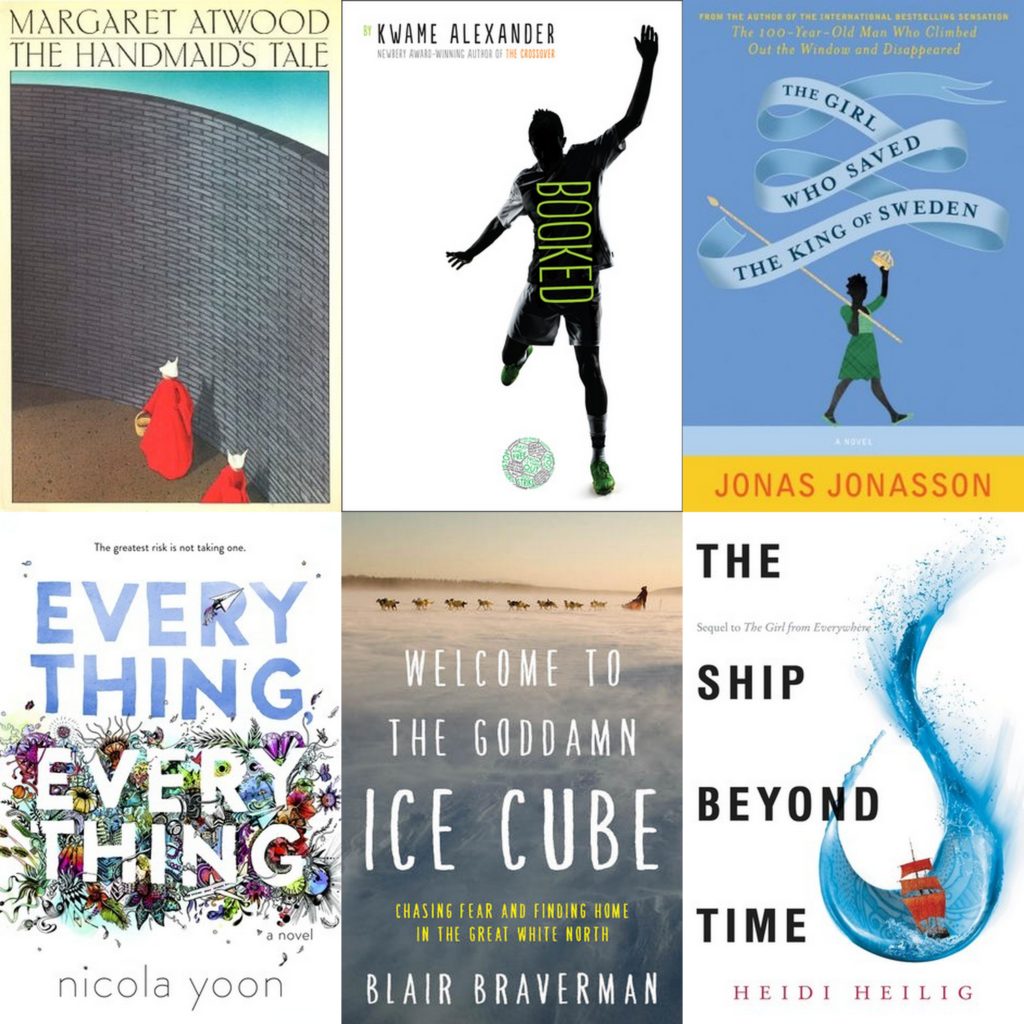
I’m joining Modern Mrs Darcy’s Quick Lit link-up where readers share short and sweet reviews of what they’ve been reading lately. It’s been two months since I last shared what I’ve been reading lately so I’ve had a chance to accumulate a few titles. Continue reading →
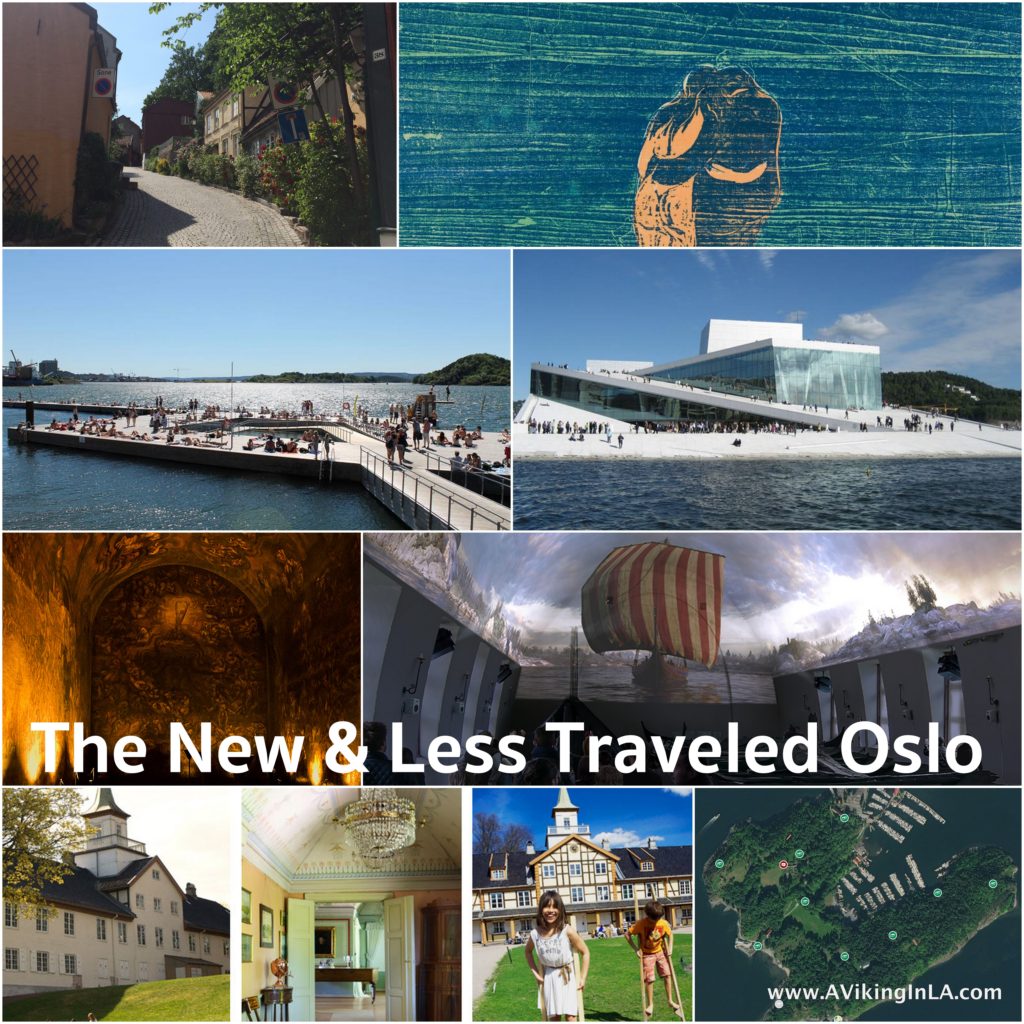
Are you headed to Oslo this summer, and maybe you’re looking for something besides the normal tourist sights? Here are some newer sights and hidden gems to consider.
Harbor Promenade – Havnepromenade
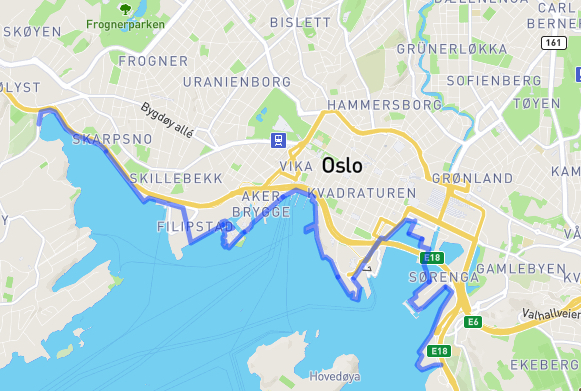
Oslo has a very new harbor promenade to explore. It runs 9 kilometers (about 5.5 miles) along the waterfront and hits many of the main sights of Oslo including Tjuvholmen and Aker Brygge, the inner harbor with City Hall and Akershus Fortress, and the Opera House.
I look forward to exploring this route by bike with the family. I may finally have a chance to get a close-up look at the Opera House with its dramatic architectural features. I also hope to include a swim at Sørenga Seawater Pool and a meal at Vippa (a huge warehouse recently named one of the “10 hottest new restaurants in Oslo” according to eater.com).
Hovedøya
A few years ago, a cousin of mine recommended a visit to Hovedøya, an island a short ferry ride from the city center known for its beaches, forests, and cultural heritage sights. There you can explore the ruins of a Cistercian monastery from 1147. In 1532, the monastery was pillaged and burned down, and the ruins weren’t excavated until 1840’s. You can also see two canon batteries from 1808 and two gunpowder depots from when the island belonged to the Norwegian army. It would be a nice excursion on a day with beautiful weather. Bring swim gear and a picnic (or eat at one of the cafes) and spend the day exploring. It also has plenty of geocaching opportunities (see map above with all the geocaches!) which is always a fun addition to an outing.
Museum of Oslo
Museum of Oslo is another museum I’d like to take the kids to. It’s located right in Frognerparken which makes it a convenient bike ride from my parents’ home. It presents the city’s history through models, paintings, and photographs. The museum’s exhibitions are mainly in Norwegian, but a free audioguide of “1,000 years in 20 minutes” is available in English, French, German, Somali, Punjabi, Polish, and Arabic as well as Norwegian.
What piqued my interest in bringing the kids was that the museum offers a special family activity called City Detectives (recommended for kids age 5 to 12). It’s an augmented reality app that allows visitors to get a glimpse of Oslo’s past. The goal is to find 10 historical stations in the exhibition “OsLove – City History for Beginners”. With the app, participants visit the 2-bedroom apartment of a big family, experience the power of Aker River, and see how the main street of Karl Johan has changed over time. The app is only available on site. You can borrow ipods or download the app to your own Apple device. You do not need to know Norwegian to use the app.
Emanuel Vigeland Mausoleum
I learned about Emanuel Vigeland Mausoleum from the book Atlas Obscura: An Explorer’s Guide to the World’s Hidden Wonders. We are certainly familiar with the work of his brother Gustav Vigeland whose bronze and granite sculptures are on display in Frognerparken, but I did not know about Emanuel.
The mausoleum is part of Emanuel Vigeland Museum. The museum’s main attraction is a dark, barrel-vaulted room, completely covered with fresco paintings. According to Atlas Obscura, “entering the mausoleum is a solemn, even haunting, experience. Even the quietest footstep echoes across the barrel-vaulted ceiling for up to 14 seconds. A flashlight is needed to reveal the room’s dark, painted walls.” I think this “hidden wonder” is best explored without kids due to the paintings that show “life from conception till death, in dramatic and often explicitly erotic scenes.” (Note: The museum is only open to the public on Sundays. Summer hours are May 15 through September 15, 12pm to 5pm.)
Damstredet & Telthusbakken Area
Damstredet and Telthusbakken are two roads known for their well-preserved and inhabited wooden houses built in the late 1700s and the 1800s. They are located near each other in the St. Hanshaugen/Gamle Aker area in central Oslo. There are other sights in the area as well, so a visit to the area can make a worthwhile self-guided walking tour. Very nearby is the medieval church Gamle Aker kirke (Old Aker Church), oldest building in Oslo, as well as Vår Frelsers Gravlund, the cemetery where writer Henrik Ibsen and painter Edvard Munch are buried. This excursion is easily combined with visit to nearby Mathallen, an interesting food court with specialty shops and cafés. And while at Mathallen, you can see if you can spot the Vulkan Bee Garden, which is two huge beehives on the rooftop between Mathallen and Dansens Hus next door.

 It’s been two months since I last shared what I’ve been reading. In addition to the books for my Scandinavian Book Group and local book club, I read books that hadn’t even been on my radar before, which is always kind of fun. School and fall activities have begun in earnest, so it wasn’t as productive a reading time as last time, but it was still very fulfilling. Continue reading


 Knowing my love of reading and joy in discovering new Norwegian works, my parents gifted me Maja Lunde’s
 If you weren’t able to travel as far and wide as you would have liked to this summer, then September is your chance to make up for it. Throughout the month, there are special festivals, exhibits, walking tours, and workshops that offer you the chance to explore cultures from all over the world right here in Los Angeles as well as visit new-to-you areas to broaden your horizons. And this Labor Day Weekend in particular there is an exceptional number of events to consider.
 Once again, I’m joining

 Seeing Vulkan Bee Garden at Mathallen was high on my wishlist for this summer’s visit to Oslo. These urban beehives are not your ordinary beehives. They are an art installation as much as a beehive. The Vulkan beehives were designed by Norwegian architecture firm


 A quick Internet search of the Atlantic Road will tell you it is a 5-mile stretch between Kårvåg and Vevang along Route 64 (



 I’m joining
 Are you headed to Oslo this summer, and maybe you’re looking for something besides
 Oslo has a very new harbor promenade to explore. It runs 9 kilometers (about 5.5 miles) along the waterfront and hits many of the main sights of Oslo including Tjuvholmen and Aker Brygge, the inner harbor with City Hall and Akershus Fortress, and the Opera House.
 A few years ago, a cousin of mine recommended a visit to
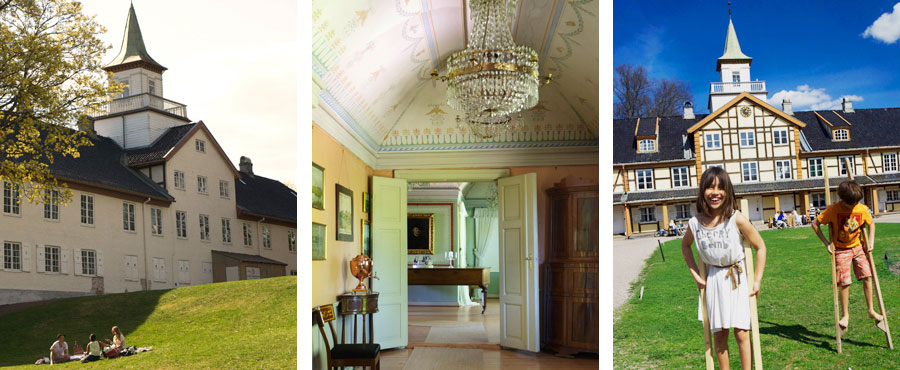 Museum of Oslo
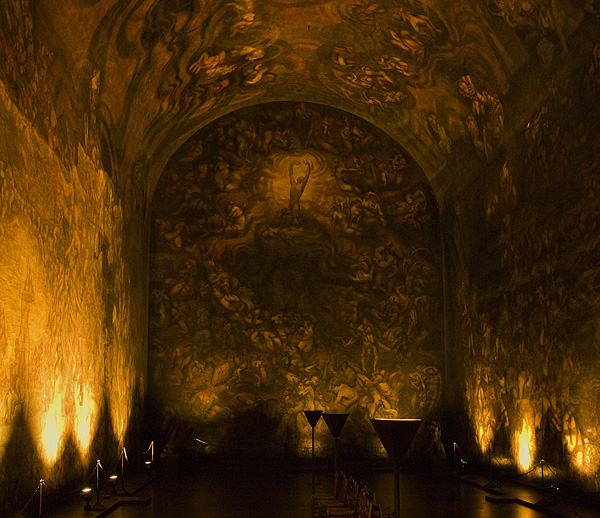 I learned about Emanuel Vigeland Mausoleum from the book
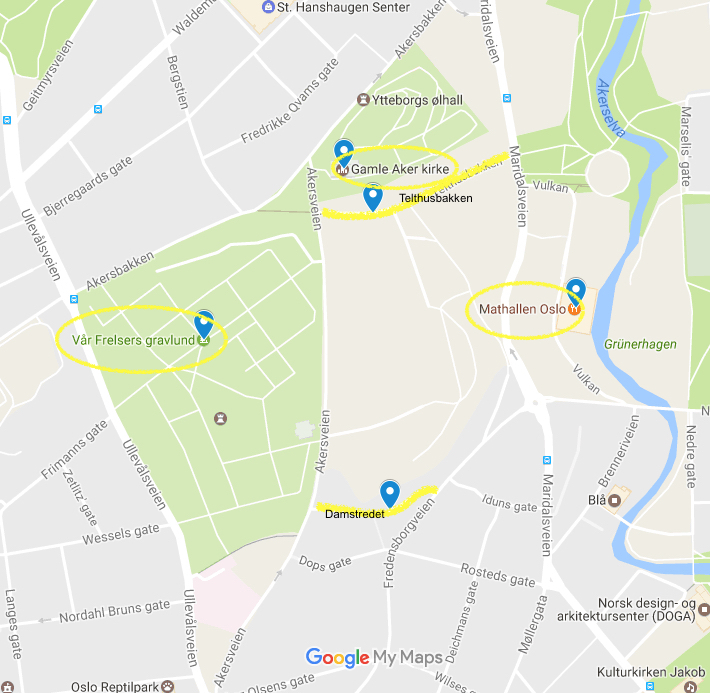 Damstredet and Telthusbakken are two roads known for their well-preserved and inhabited wooden houses built in the late 1700s and the 1800s. They are located near each other in the St. Hanshaugen/Gamle Aker area in central Oslo. There are other sights in the area as well, so a visit to the area can make a worthwhile self-guided walking tour. Very nearby is the medieval church
