Norwegian (and other Nordic) Films at AFI FEST 2017

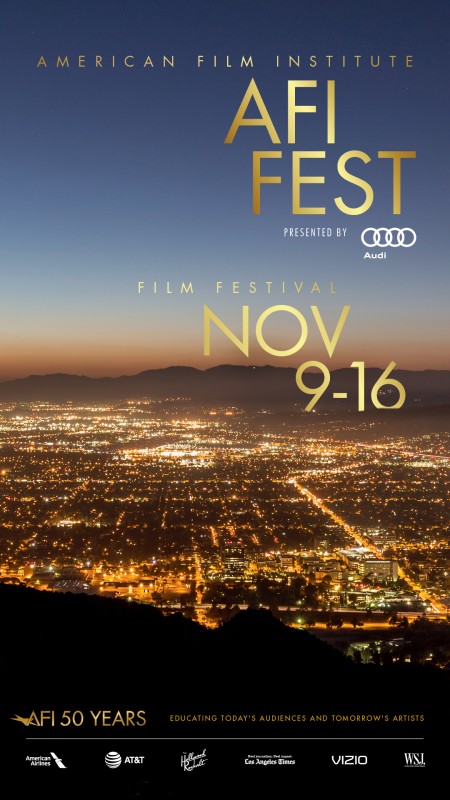
Norwegian film has not been a stranger to Los Angeles these last few weeks, and its presence continues at American Film Institute’s film festival AFI FEST taking place now. AFI FEST is an annual celebration of international cinema “from modern masters and emerging filmmakers”. It takes place each fall in Hollywood and features nightly red-carpet galas, special screenings, conversations, and tributes. AFI FEST is free to the public.

This year two Norwegian films are on the schedule. The first one is Thelma written by Norwegian duo Joachim Trier and Eskil Vogt and directed by Joachim Trier. It is a psychological thriller that takes place in Oslo, Norway. It is Norway’s Best Foreign Language Oscar submission. The second film is What Will People Say written and directed by Norwegian Iram Haq (Norwegian-born of Pakistani immigrants). Continue reading

Los Angeles Culture Challenge for November 2017: PST:LA/LA and Norwegian Christmas Fair

Los Angeles is one of the most diverse metropolitan areas in the United States. I challenge you to explore the richness of where we live. Here are some special events happening in the upcoming month. Mark your calendars, but please check suitability for family members and confirm dates and times before heading out.

Of special significance to me this month is the Norwegian Christmas Fair. It takes place, as it always does, the weekend before Thanksgiving. Interestingly, this is a common tradition all over the world at Norwegian Seamen’s Churches. Christmas decorations, music, candles, and the smell of freshly baked goods set the mood as you wander the booths filled with Scandinavian goods of all kinds. And of course, there’s the café serving traditional Norwegian foods. All are invited to attend. You do not need to be Norwegian or a member of the church.

The special months-long art initiative Pacific Standard Time: LA/LA is in full swing. It started in September and goes until the end of January. Many venues around Los Angeles and beyond are participating with a variety of exhibitions. As explained on its website, “Pacific Standard Time: LA/LA is a far-reaching and ambitious exploration of Latin American and Latino art in dialogue with Los Angeles.” You can sort exhibitions by theme, neighborhood, venue, and media which makes the whole process of deciding what to see where less overwhelming. I have made a personal challenge to see as many of the exhibitions at venues close to home as possible. High on my list are Cuba Is at Annenberg Space for Photography in Century City, Visualizing Language: Oaxaca in L.A. at Central Library in Downtown LA, and Surface Tension by Ken Gonzales-Day: Murals, Signs, and Mark‐Making in LA at Skirball Cultural Center in Los Angeles.

How will you explore the richness of Los Angeles this month? Continue reading

CicLAvia: Heart of LA (2017)

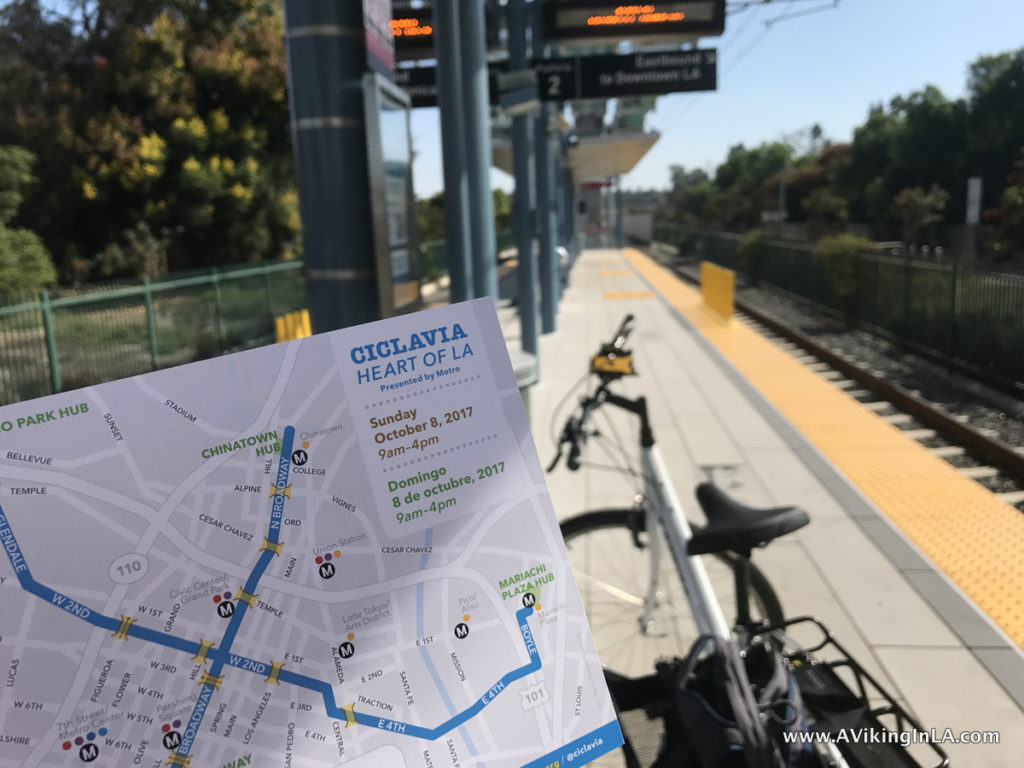
CicLAvia returned to Downtown LA for its October edition. At first I was a little unenthused about returning to Downtown LA, but then I learned that this year’s Heart of LA route had a new hub, Echo Park, which I was excited to explore.

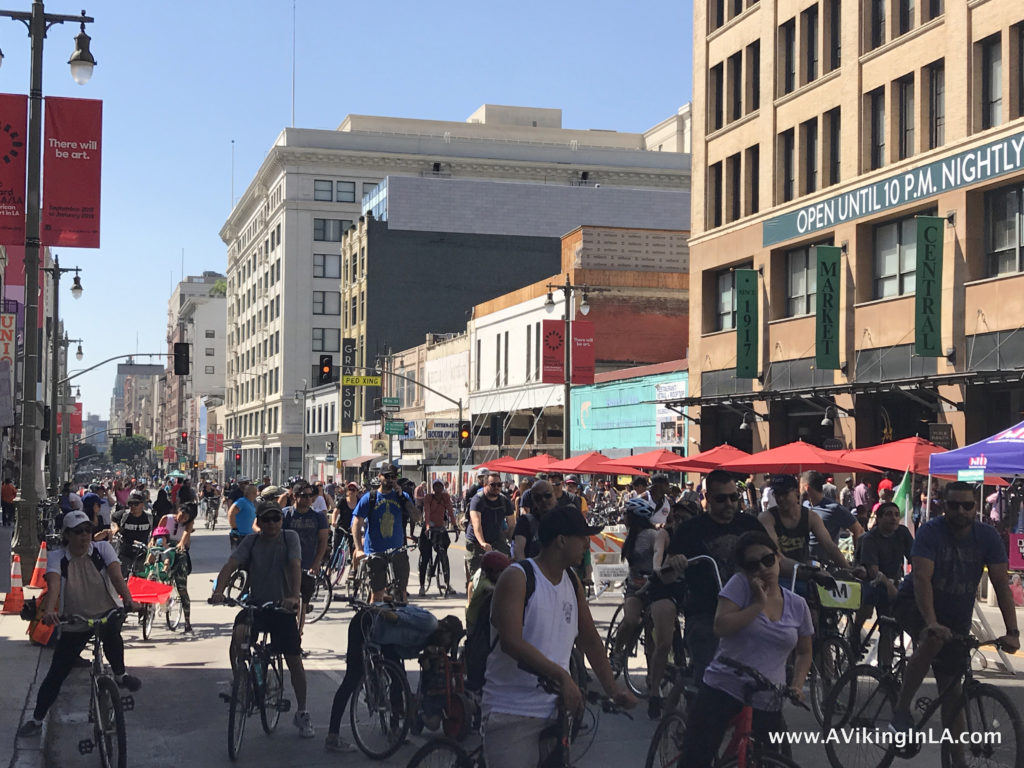
It turned out to be a solo event for me, but I was totally okay with that. Going alone allows me to do whatever I please, whenever I please, without complaints, which is a situation I rarely encounter. And, there are actually a lot of other solo riders at these events. It’s a great opportunity to connect with new people. You feel like you’re part of a greater community. Everyone is there for the same reason – to take advantage of the open streets and explore the city from a different vantage point.

Being able to take Metro Rail’s Expo Line to Downtown LA made this an easy event for me to attend. What was tricky this time was that a football game was happening at the Coliseum that afternoon as well, and the train car got really packed with passengers. Having a bike onboard was awkward and difficult. But once all the football fans got off at USC, the cyclists could relax for the rest of the ride.

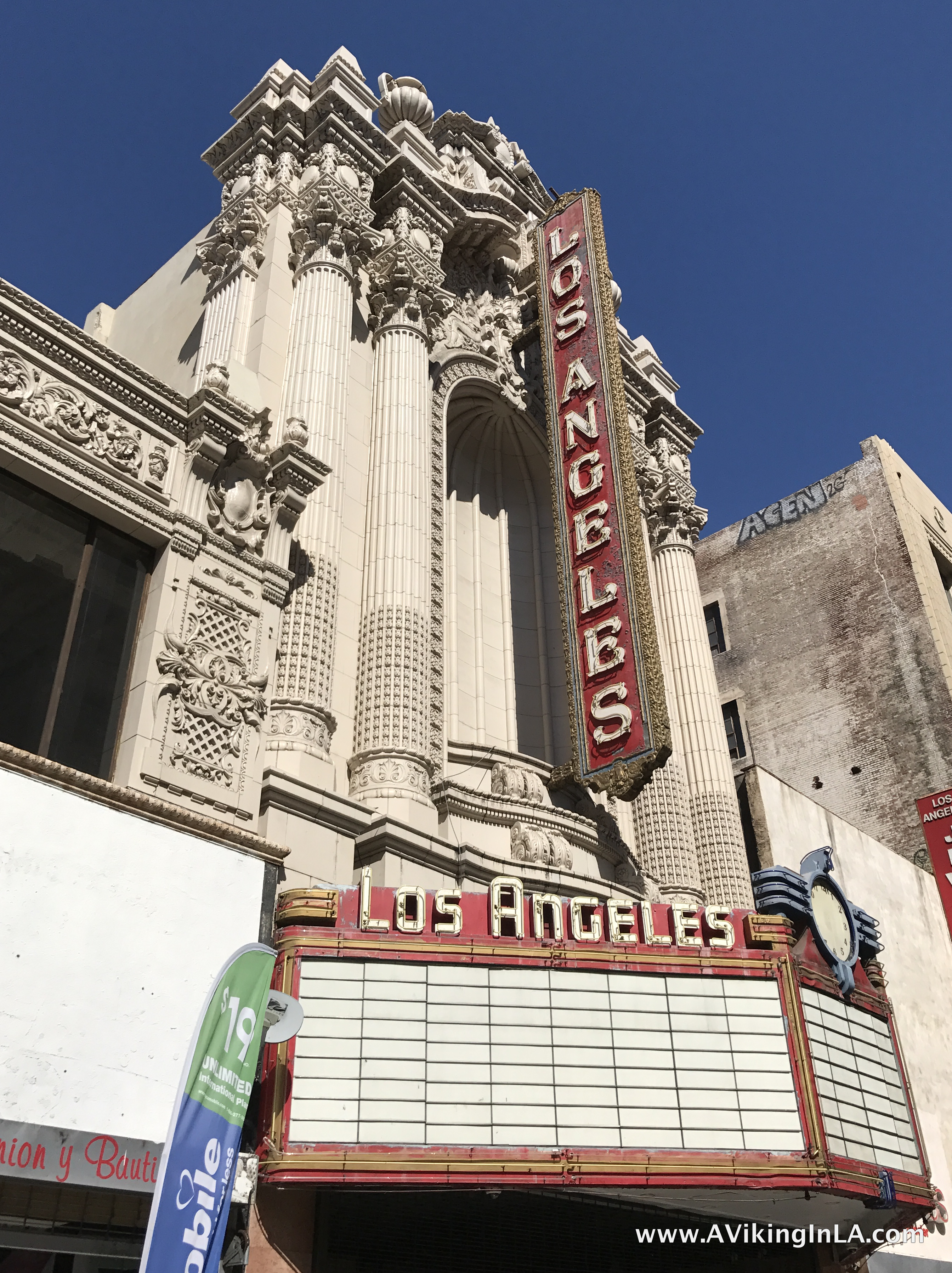
At the end of the line, I surfaced from the Metro station and made my way to Broadway Hub where I joined the route. This area has the feel of a typical downtown city with buildings side-by-side along the street, but riding gives you a chance to look more closely at the buildings. There are some interesting architectural details and public art along the way.

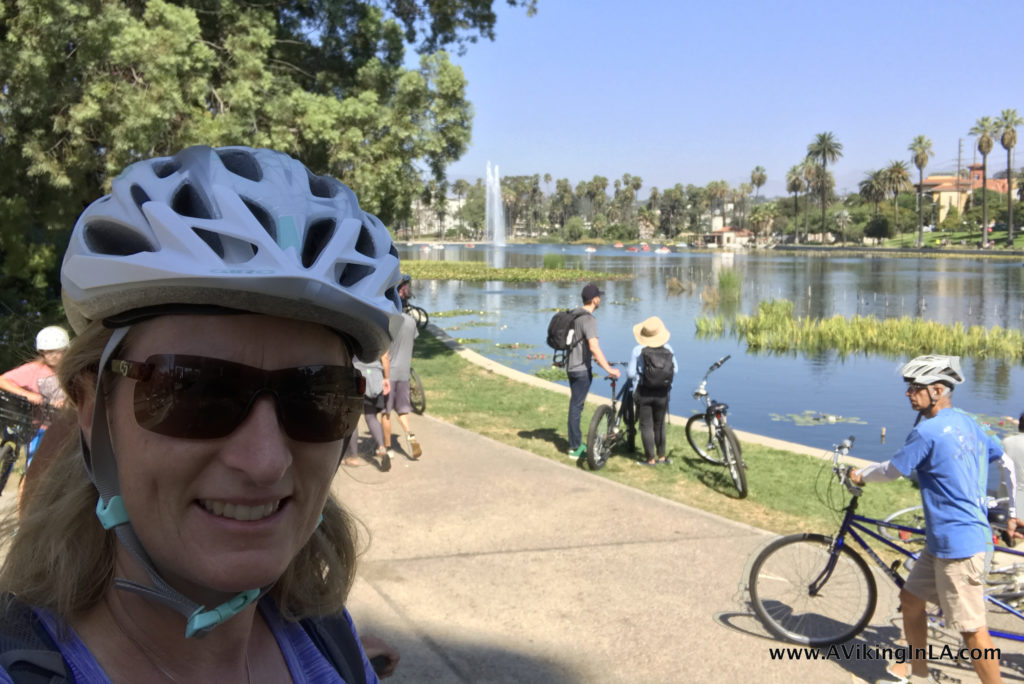
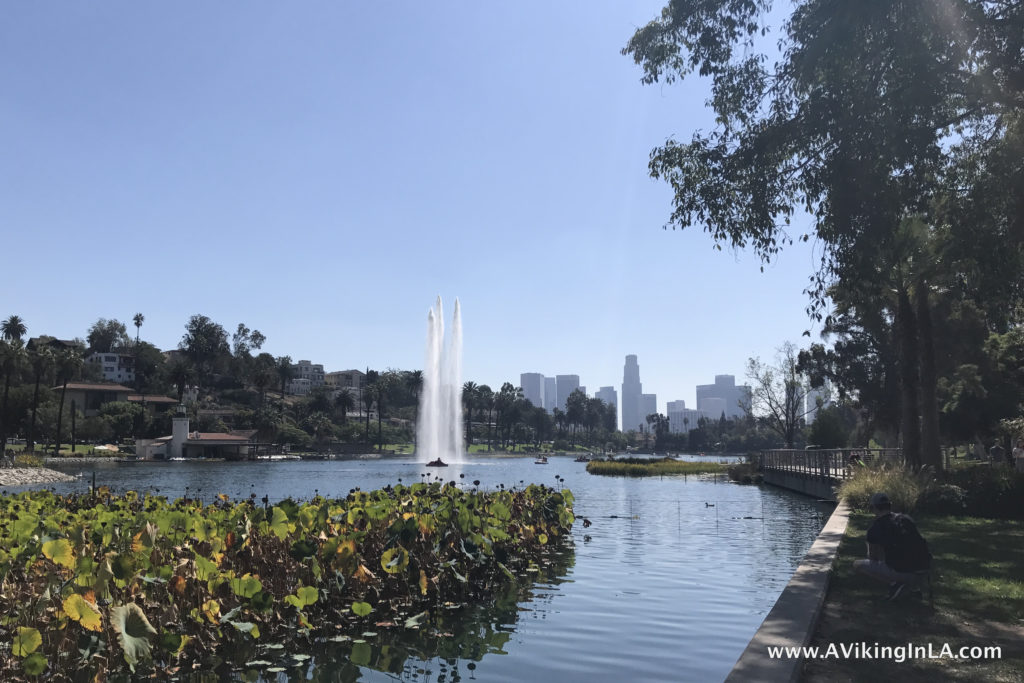
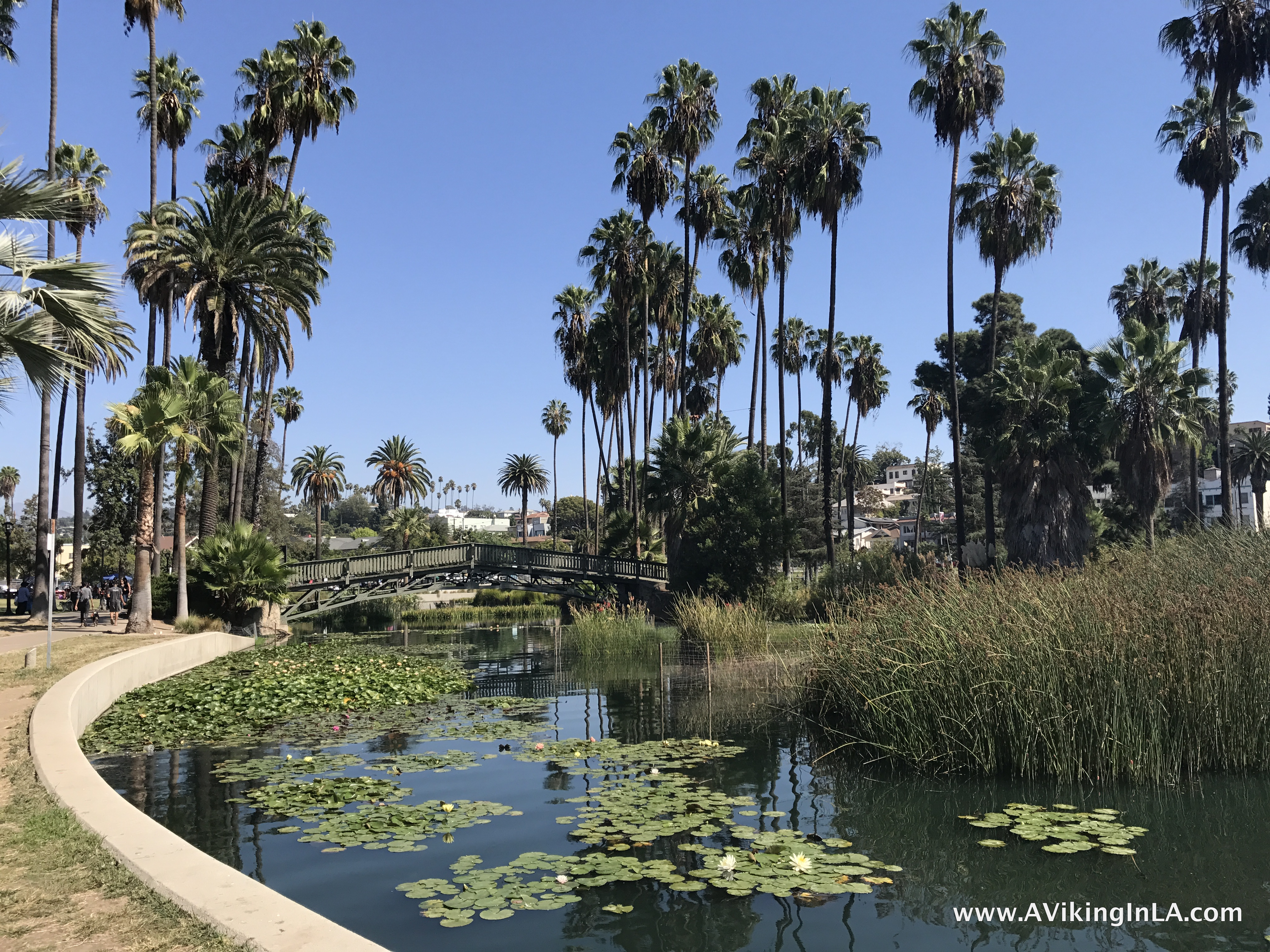
Once I got to the main intersection of the route and headed out towards Echo Park Hub, that downtown feel quickly subsided. About 1 1/2 miles later I was at Echo Park Lake. I was so surprised and fascinated by this area. It is such a big and serene green space so close to Downtown LA.

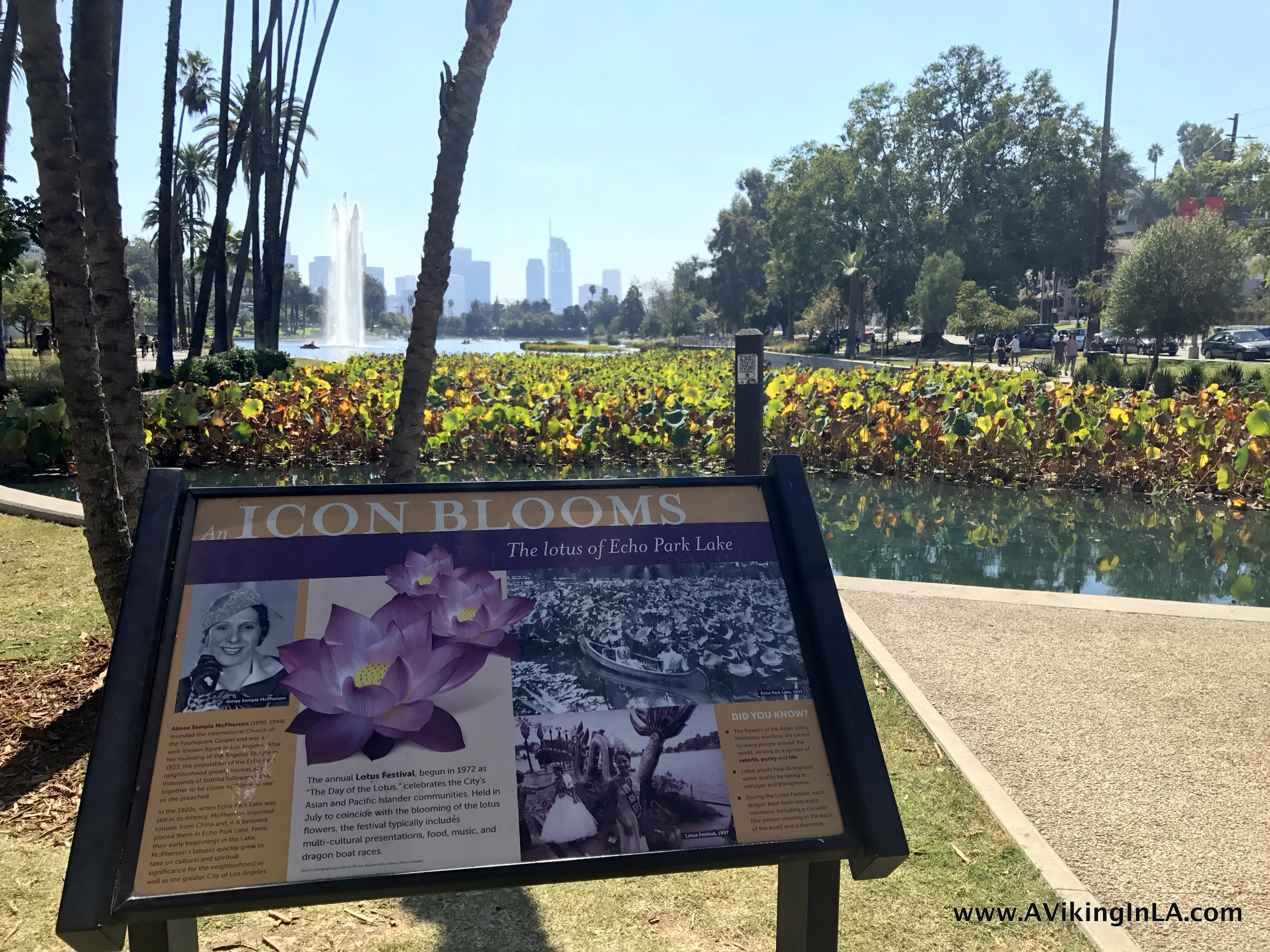
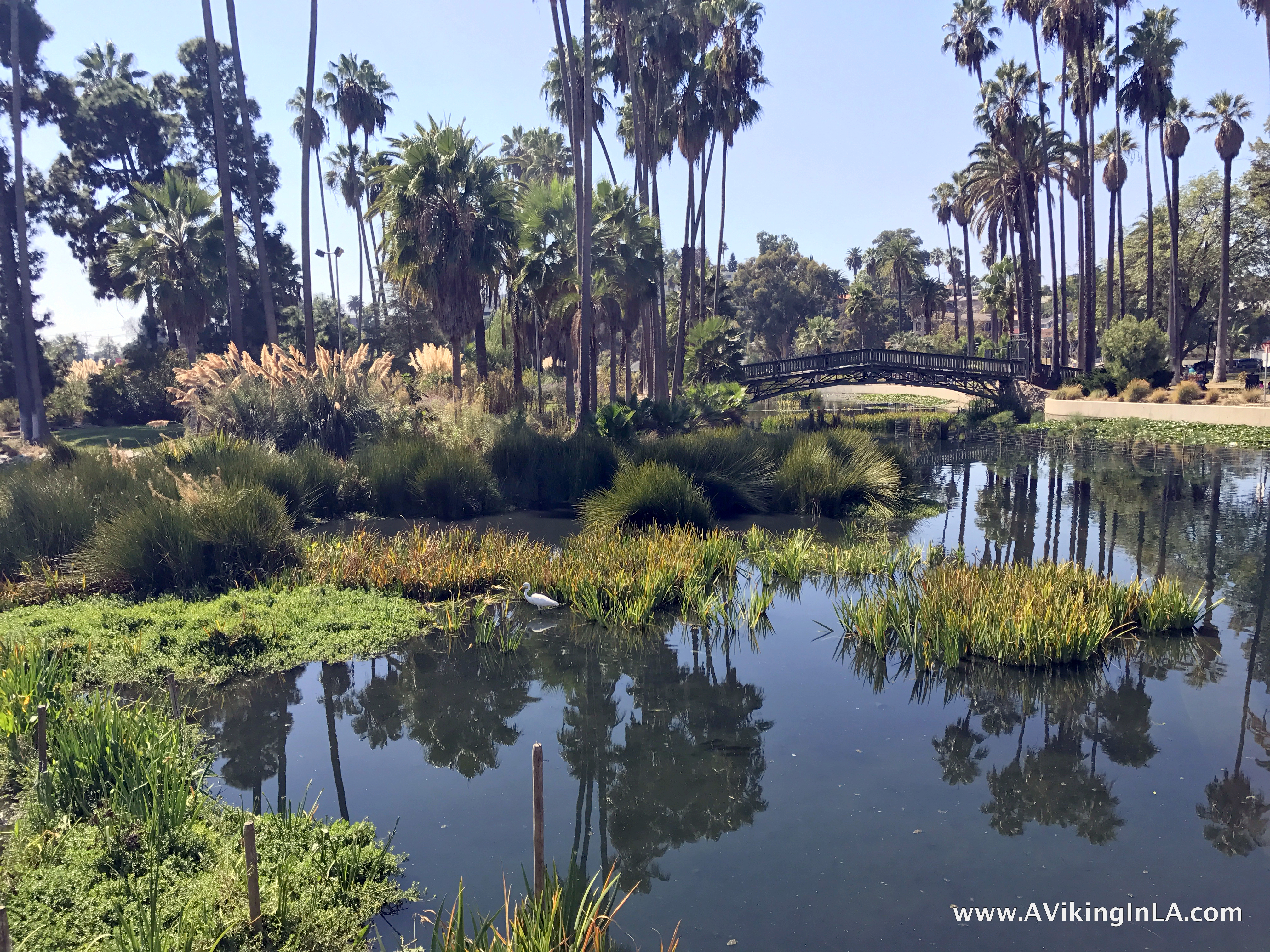
I parked my bike and began to walk along a path that circles the lake. It was very peaceful despite all the CicLAvia participants and the regular folks who were there just enjoying the park. At first glance, I saw the fountain in the middle of the lake and the paddle boats and boat house at the edge of the lake. But exploring more closely, I noticed water lily beds throughout the lake, lotus plants at one end of the lake, and a lush wetlands habitat full of wildlife. Looking even more closely, I saw fish, turtles, and a variety of birds.

There was even a cute looking cafe in the boat house, Beacon. It boasts “a chef-driven menu with good-for-you ingredients.” I’ve put it on my list of outdoor restaurants to bring my parents to the next time they’re in town. And I’ll also have to come back at the right time to catch the lotus flowers in bloom. Apparently, this year’s bloom in June was pretty spectacular.

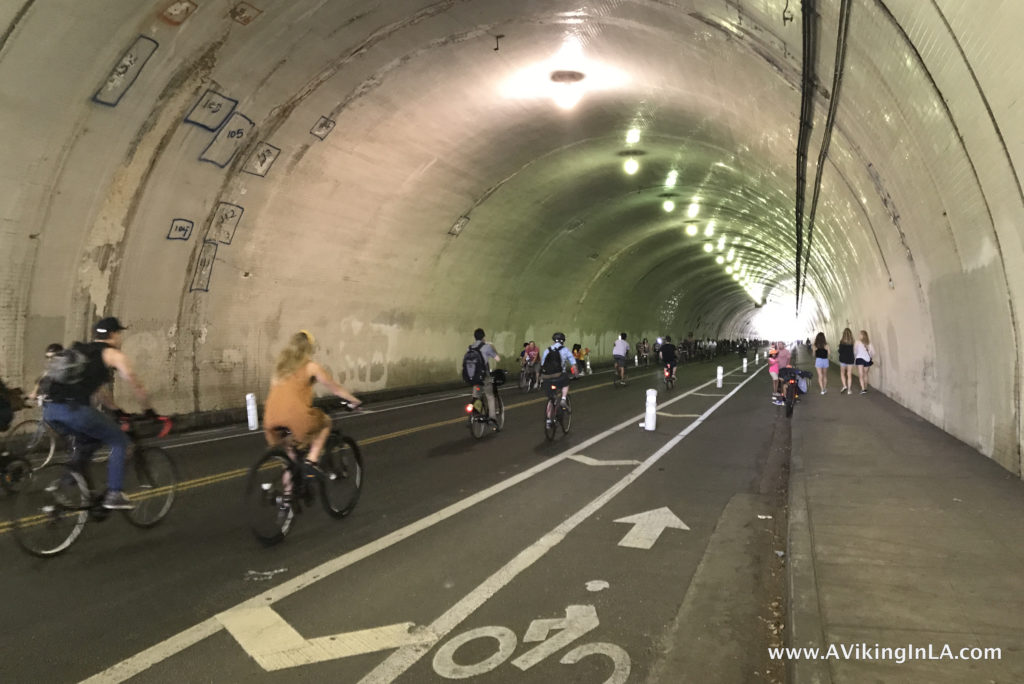
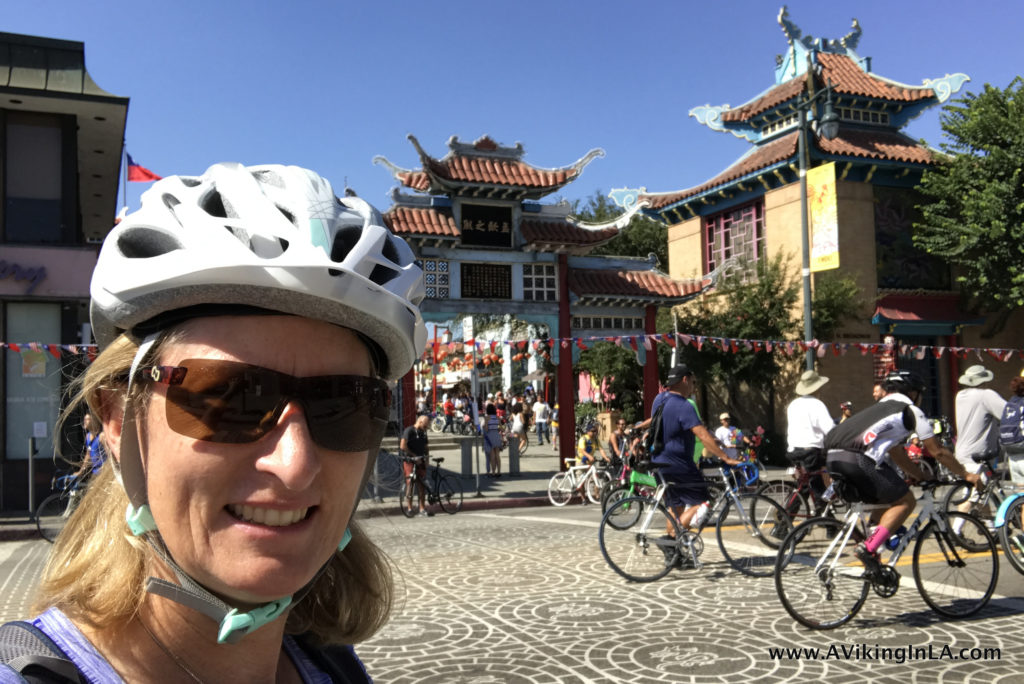
After exploring the park and enjoying lunch from Cousins Maine Lobster food truck, it was time to move on. Next up was Chinatown, but not until I had ridden through 2nd Street Tunnel again. This turned out to be a fun “attraction” for all ages. Adults let their inner child loose while riding through, and there was lots of howling, hollering, and whistling.

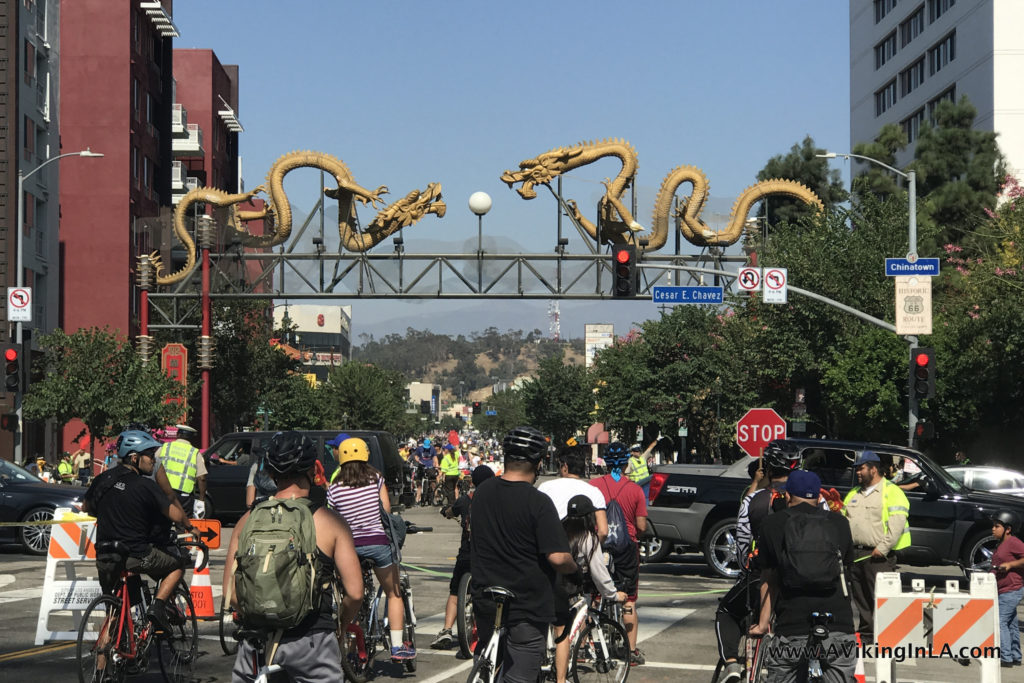
I have been to Chinatown before but not by bike, so this stretch I did more to just have done than anything. It was a relatively quick visit.

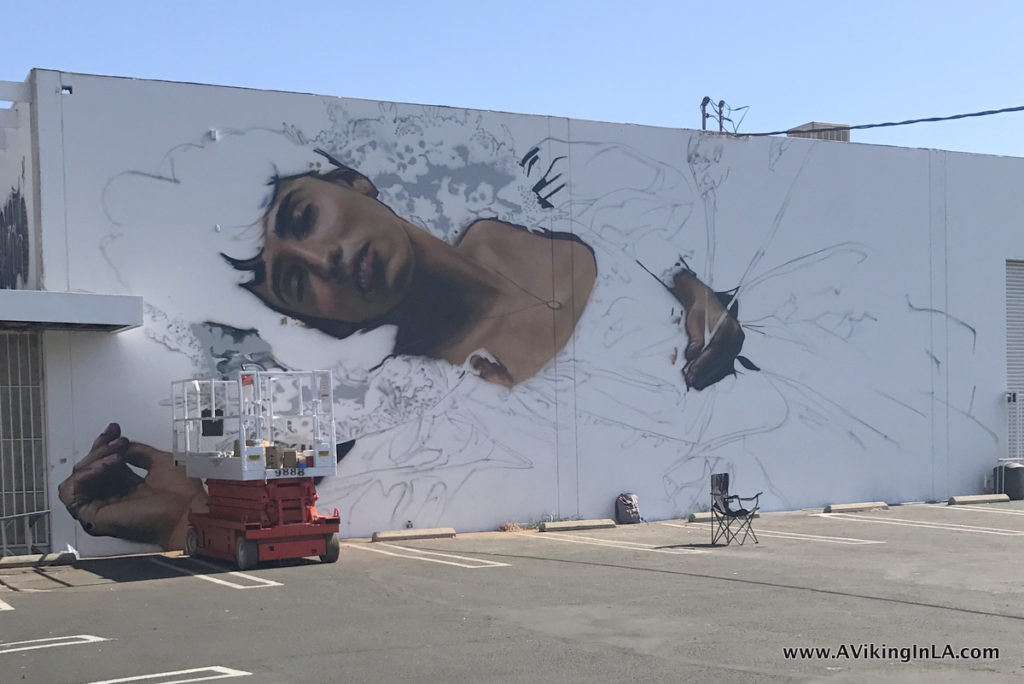
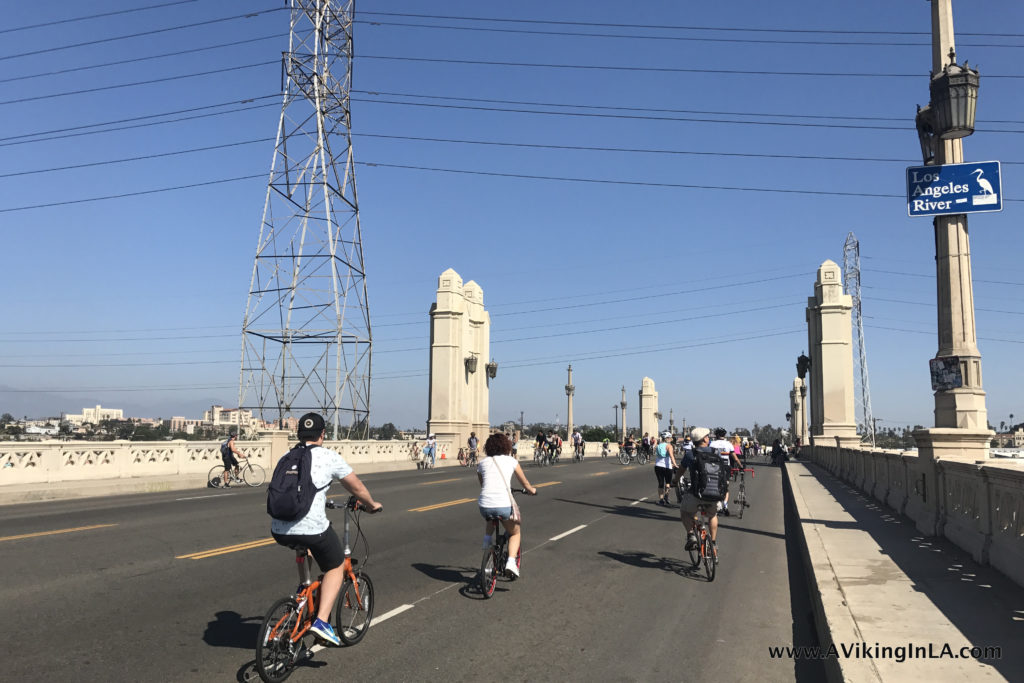
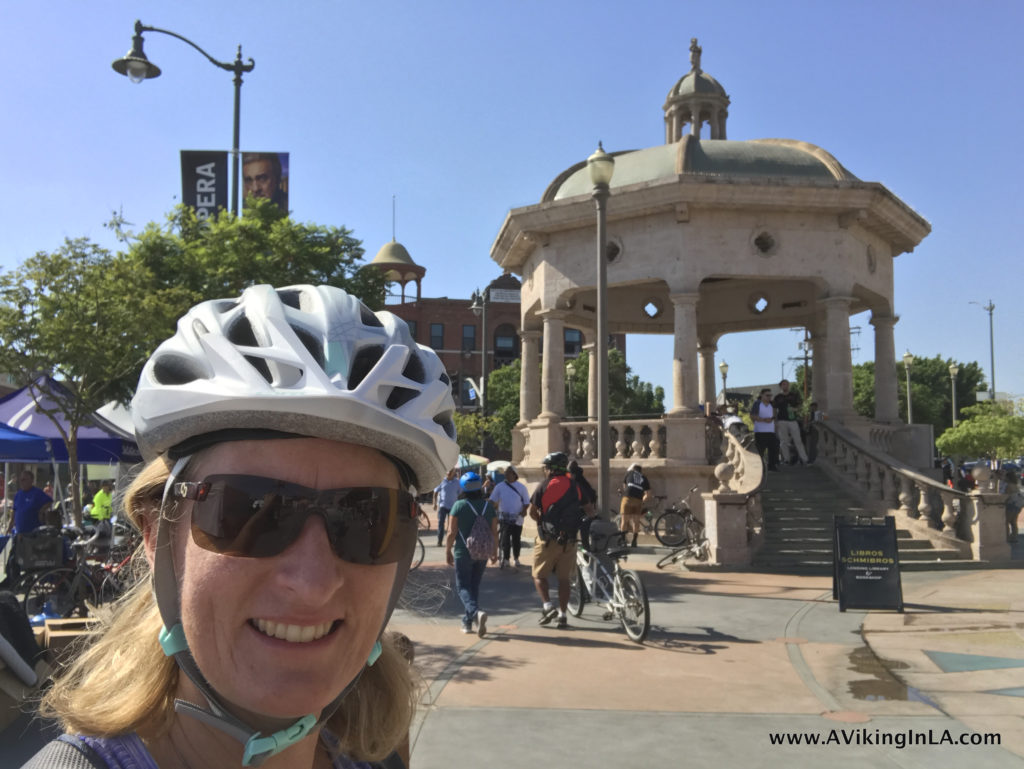
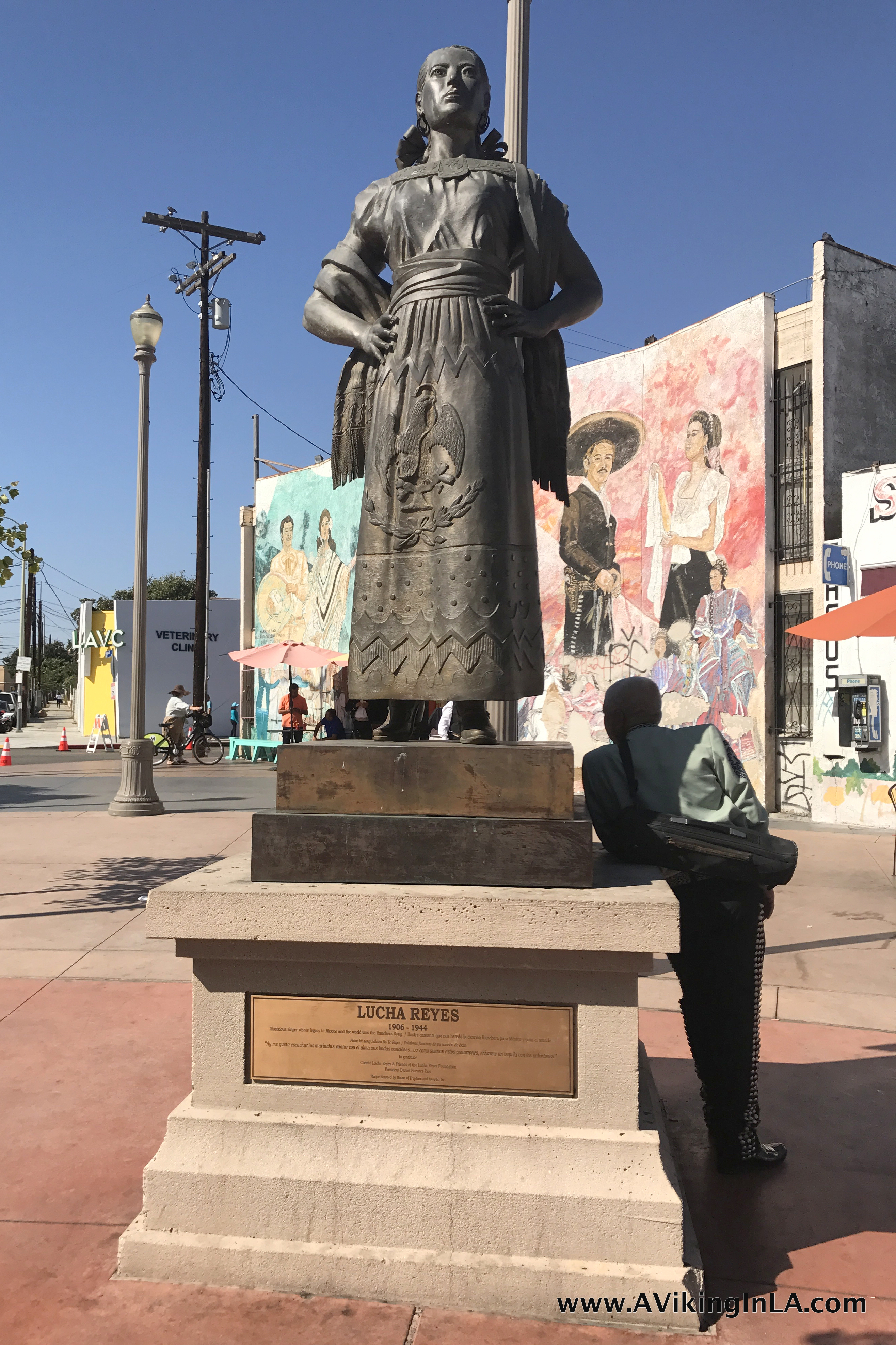
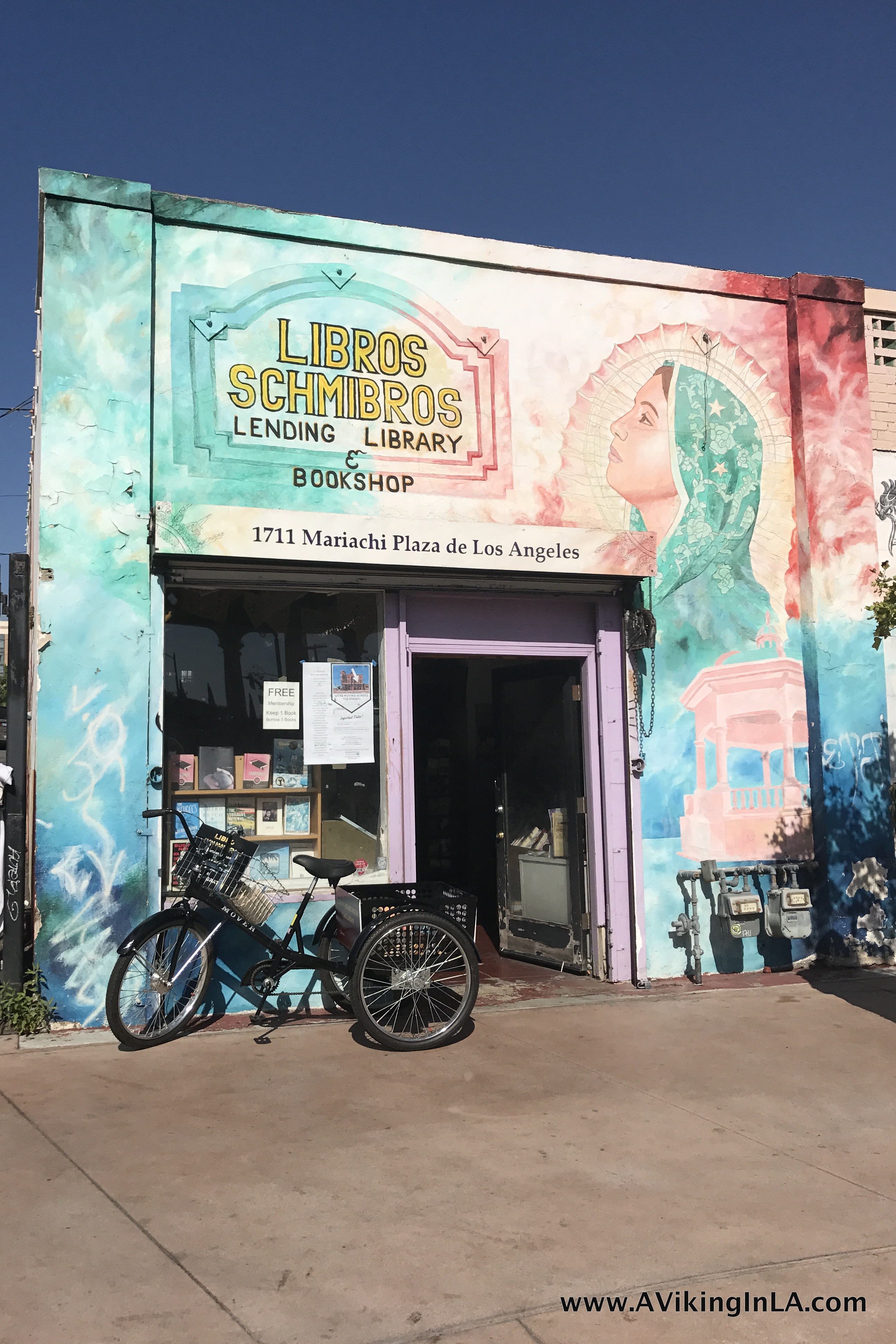
Finally, I made my way out to Mariachi Plaza in Boyle Heights on the east side of the Los Angeles River. This was a new destination for me as well. To get there, we rode through the Arts District with its many wall murals and over the 4th Street Bridge.

After checking out Mariachi Plaza, enjoying some live music, and supporting the local farmer’s market, it was time to make my way back to Broadway Hub and the Metro station to head back home.

It was a full day of pedaling with lots of new sights and sounds along the way – 16 miles and 6 hours total – but one I’ll be eager to repeat next time around. I do believe this is becoming my favorite CicLAvia route. There is so much variety in where to go and what to see, and the riders are spread out on the three spokes so there’s a little more breathing room when riding. There will be no hesitation about returning to Downtown LA next time CicLAvia happens there.

Los Angeles Times’ Festival of Books: Metro, Authors, and even some Geocaching

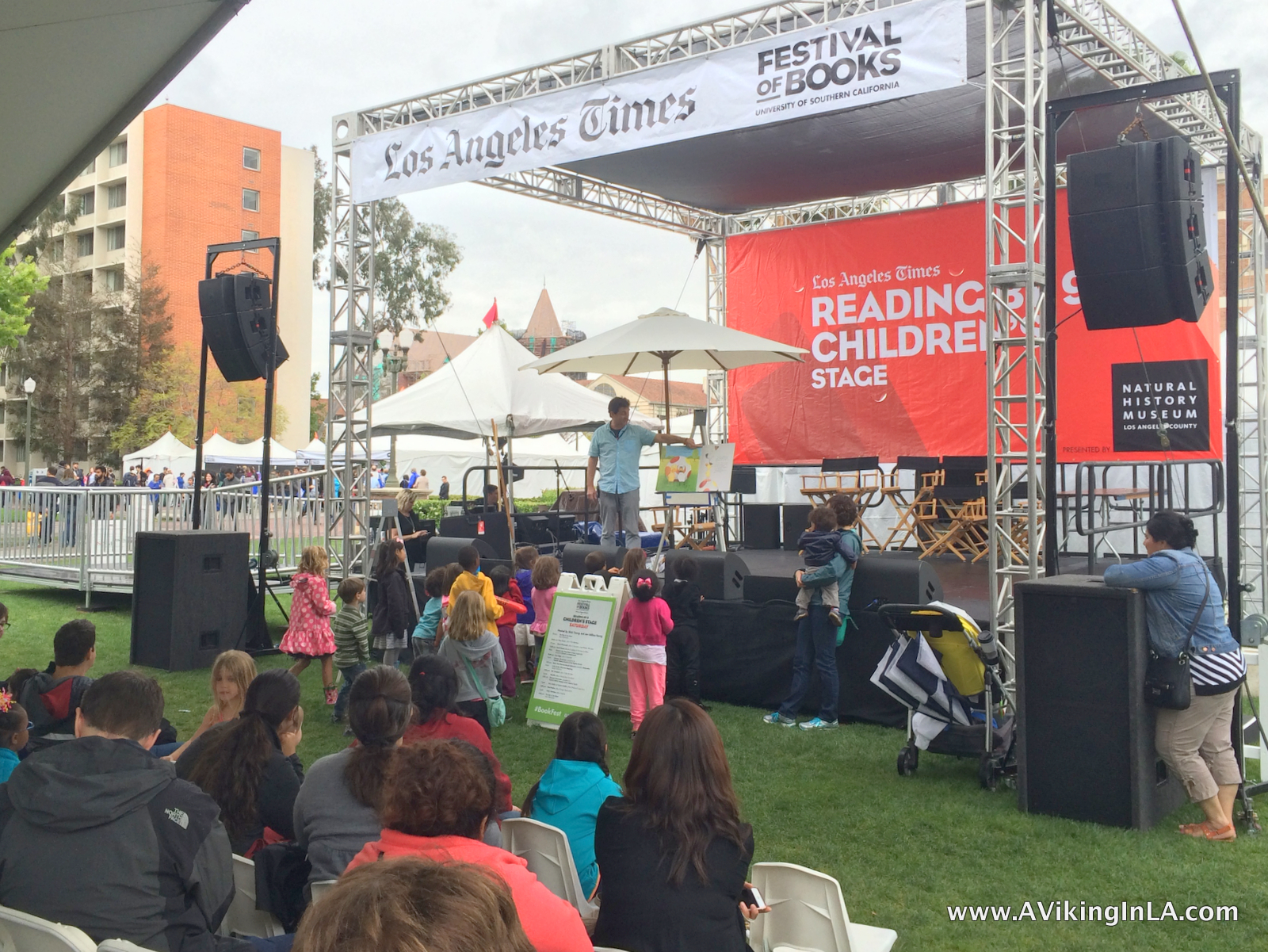
Last year, as luck would have it, I was able to go to the Los Angeles Times’ Festival of Books both days. On Saturday, I went alone and explored and lingered as I pleased. On Sunday, Sonny joined me for a more intentional day. It was the perfect combination of experiences.

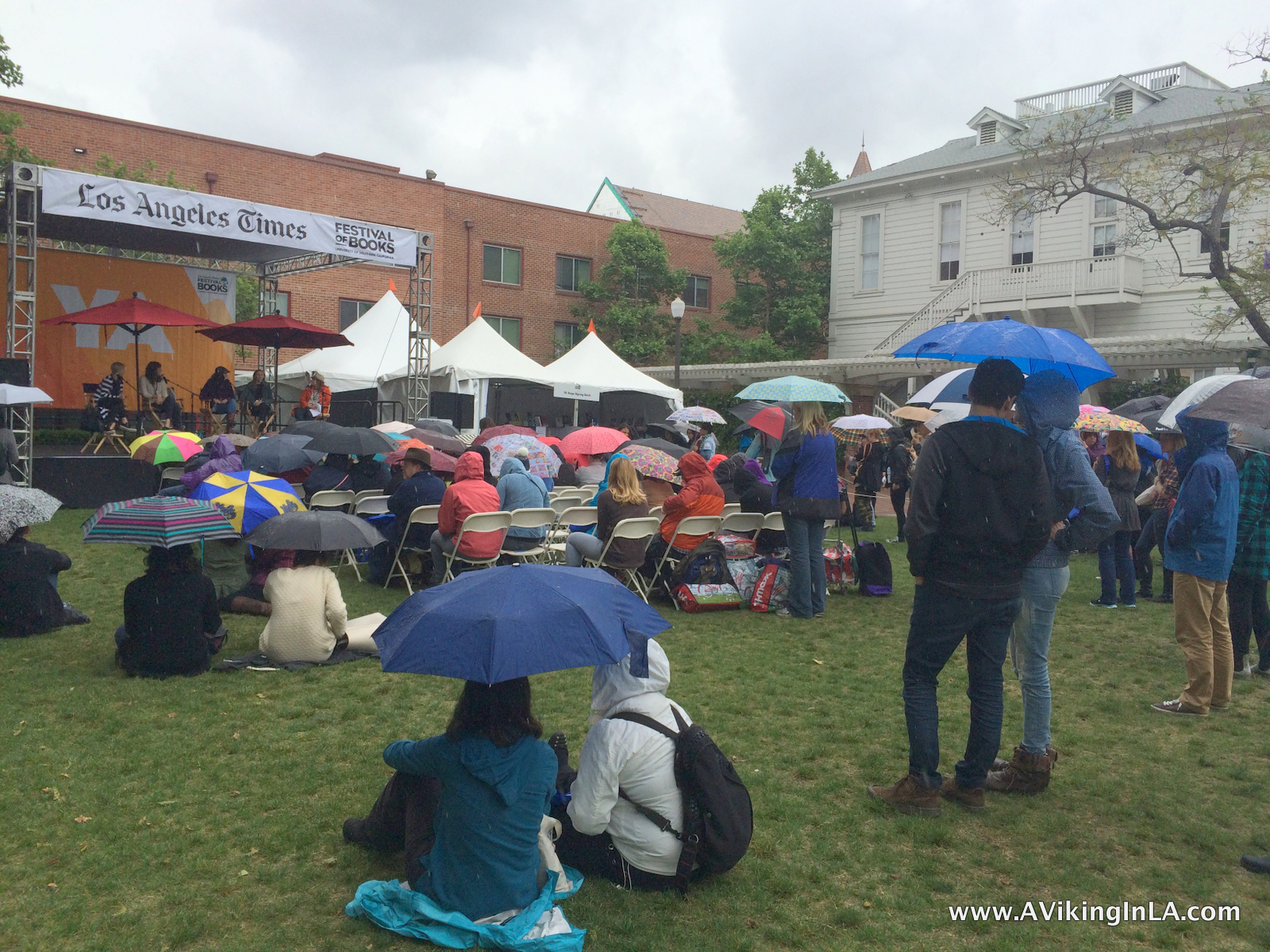
Saturday was a gray, dreary, rainy day, but I didn’t let that stop me. I donned my rain boots and rain jacket, packed an umbrella, and headed to our nearest Metro stop.

Taking the Metro made the excursion so easy. The closest stop was only a short drive away (and now it’s even closer with the Expo extension completed), and the stop at USC was right at the entrance to the festival. There were no hassles driving and finding my way and no expensive parking fees.

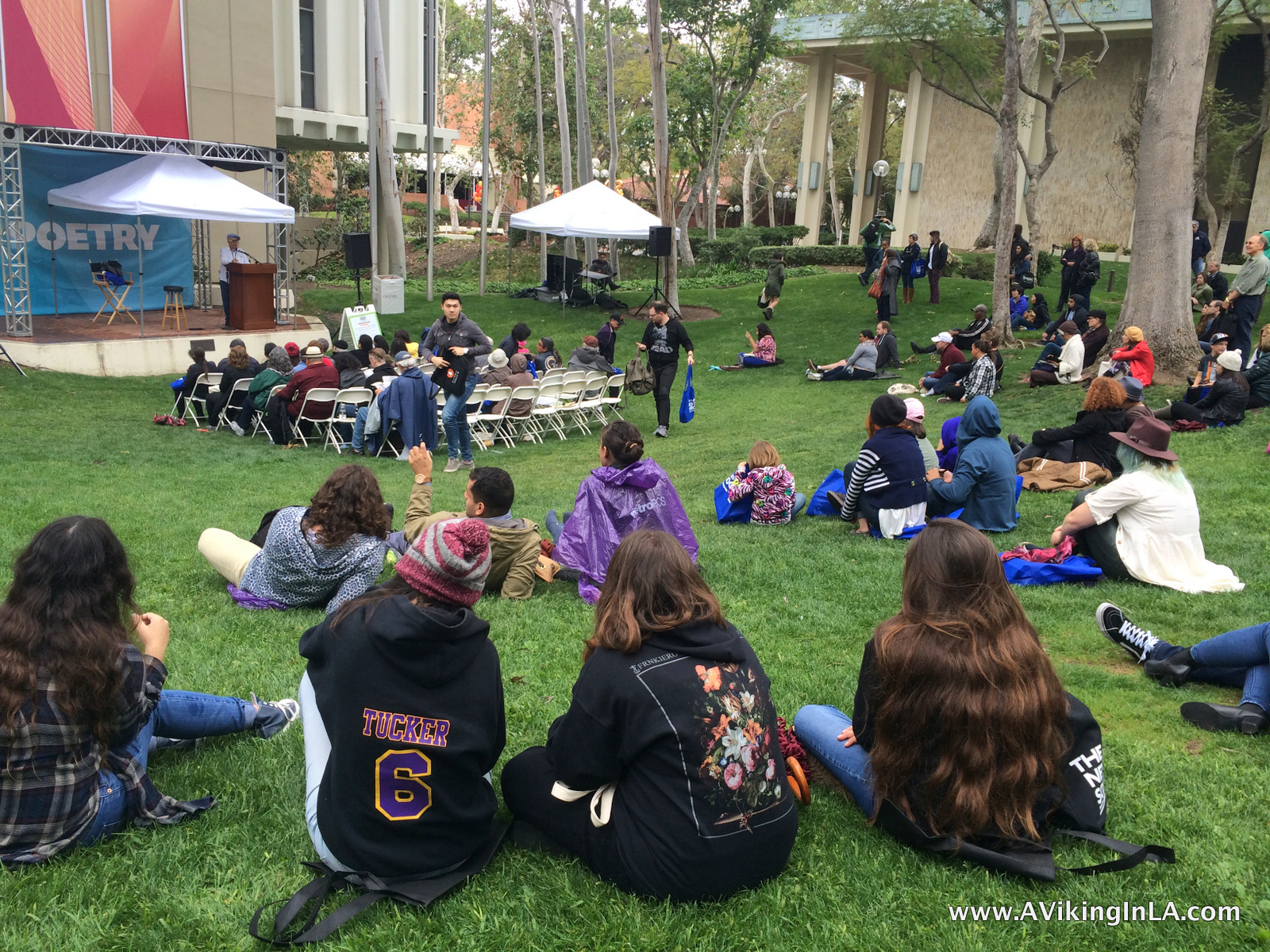
Due to the weather, the festival on Saturday wasn’t as lively as in previous years. There weren’t as many people roaming the grounds, and the booths were more closed up with plastic tarps on the sides. It did make maneuvering around more manageable, though. I easily browsed booths and listened in on stages where poets and authors spoke to more intimate audiences.

A highlight of the day was that I was able to get a ticket to a panel, also known as Conversations. I had never been to a Conversation. I had always been somewhat overwhelmed by the selection of offerings. Also, I’ve always been at the festival with family members who haven’t been interested in that aspect of it. This year, I just went to the ticket booth and looked to see what was still available in the next couple of hours. It limited my choices immensely and I was able to easily find something.

I actually had a choice of many open Conversations from which to choose. I selected a young adult nonfiction panel about bringing history to life for young adult readers. Sonny had recently read the young reader adaptations of the nonfiction books Unbroken by Laura Hillenbrand and Boys in the Boat by Daniel James Brown, which he had really enjoyed. I’m always on the lookout for possible interesting reads for him, and this panel seemed like a potential opportunity for that.

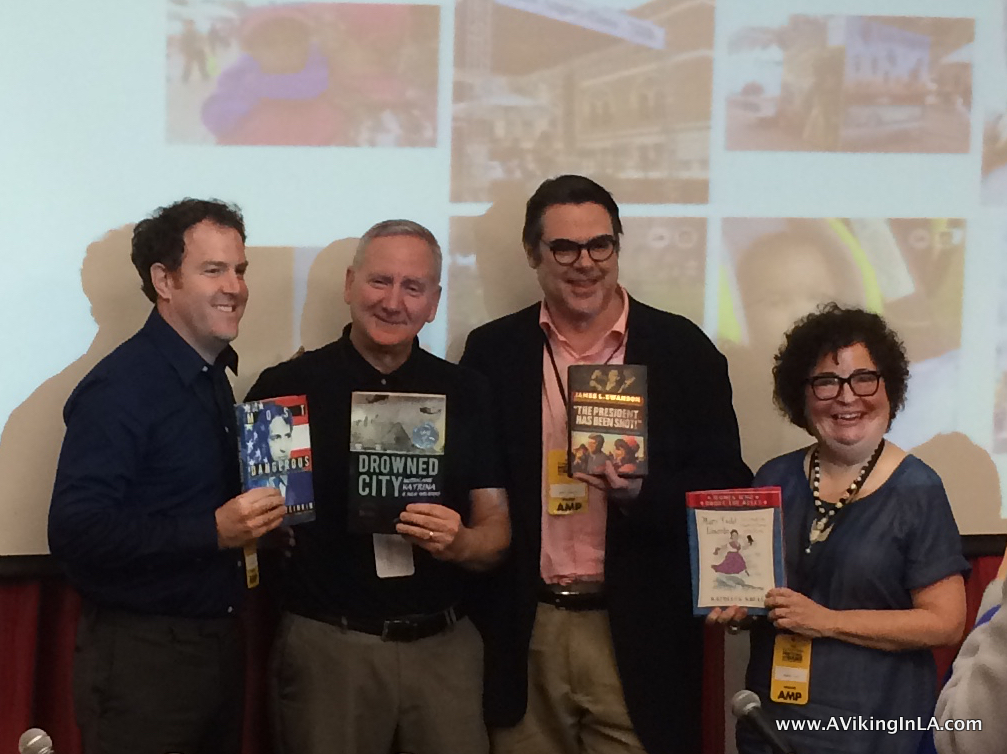
The panel was very interesting even though I wasn’t familiar with any of participants. Four authors of new non-fiction spoke about the process of bringing history to life for readers and then answered questions from the audience. I even bought a book by one of the panelists, Steve Sheinkin’s Most Dangerous: Daniel Ellsberg and the Secret History of the Vietnam War, and got it signed for Sonny for his birthday later in the month.

That evening I was on a high from my alone time at the festival. I was thrilled to have discovered how easy it was to go by Metro and how interesting panels could be. I looked to see if anything of interest was offered the next day. I found an available panel with middle grade authors, two of whom were favorites of Sonny’s, Stuart Gibbs (Spy School Series and FunJungle Series) and Pseudonymous Bosch (Secret Series and Bad Books Series). Sonny was interested but had his condition: he didn’t want to spend the whole day there. I reassured him it would only be a trip for the panel and food trucks and we’d be back home about 1 o’clock.

Sunday was a beautiful day, and I noticed a change already at the Metro stop. So many more people were headed to the festival. When we arrived at the festival, only about 30 minutes after opening, it was already very festive. Not only were more people there than the day before, but booths were more welcoming and music was playing.

The panel was a popular one with many young readers in attendance. The panelists were engaging and shared insights into their writing lives. It was interesting to match a face, a voice, and a personality with the names we’d seen on book covers for so long. I wished, however, that Q&A time at the end had been limited to children. Their questions were so much better than adults’ questions.

Afterwards we joined many other fans in line to have books signed. And just as promised, we checked out the food trucks and Sonny settled on some gelato.

Then came the unexpected addition to our festival visit. After Sonny and I had agreed on the plans for the morning, I had looked to see what geocaching possibilities were there. I had totally forgotten about that when I was there alone the day before. It turns out there were three geocaches within the festival grounds, and I secretly planned a route to include those spots.

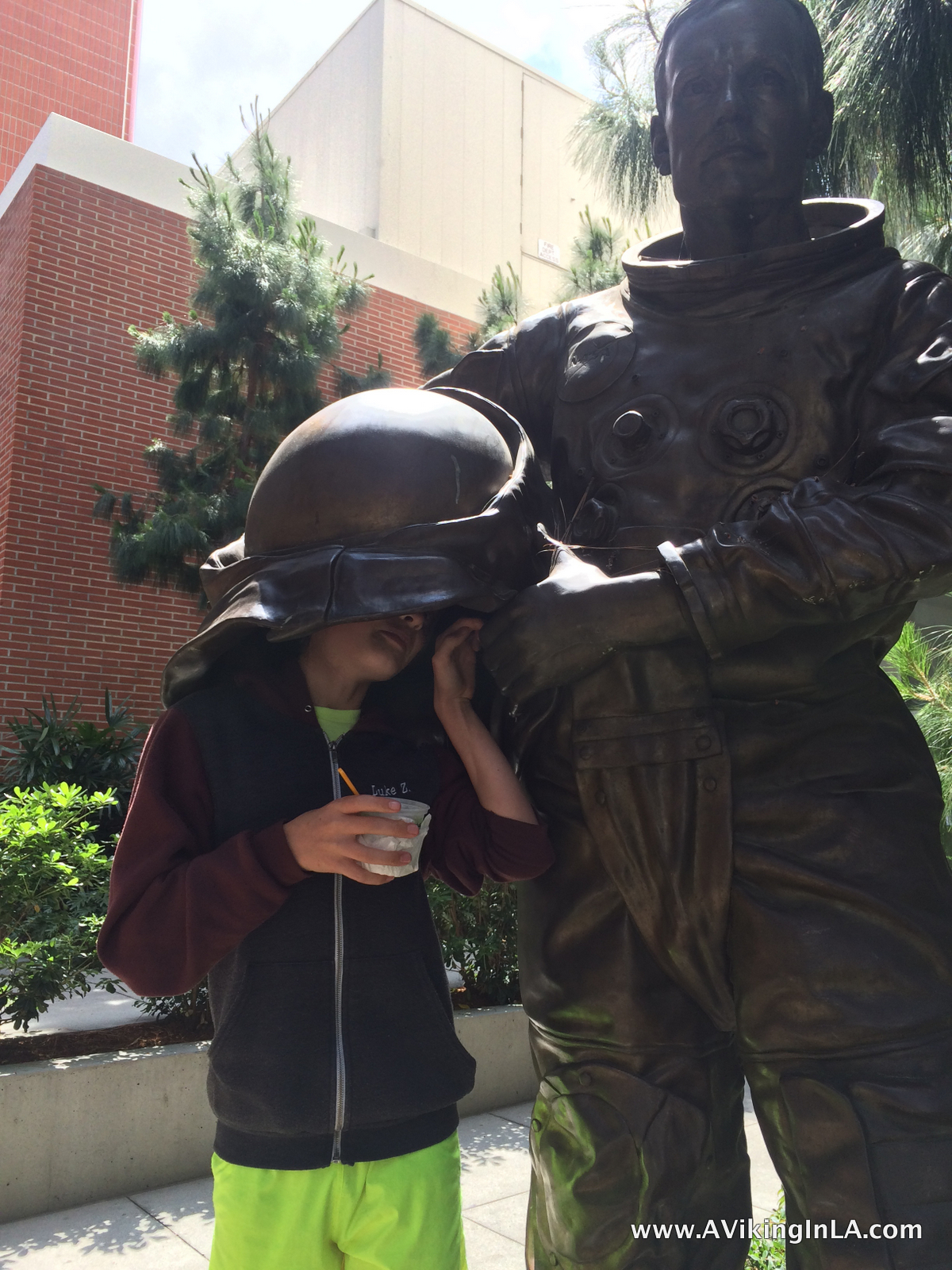
When Sonny heard about my geocaching hopes, he felt a little deceived. However, when it came down to it, he was eager to be the one to make the finds. He makes a good geocaching partner. We found one right in front of a security guard because no one thinks twice about a kid sticking his head up into a statue but an adult would have attracted attention.

A day alone and a morning with Sonny was the perfect way to experience the festival. I felt like I had a chance to take it all in – browse the booths, listen to authors on stage, attend panels, enjoy music performances, watch artists at work, and indulge in some treats from food trucks.

This year’s festival will take place the weekend of April 22 and 23, and once again, it will be at University of Southern California’s campus. The schedule can be found online, and you can reserve free tickets to indoor Conversations ($1 service fee applies to each ticket). A limited number of tickets for each Conversation will also be available at the festival ticketing booth each day — free of service charges — while supplies last. There are also plenty of outdoor Conversations on stages that do not require tickets. And admission to the whole festival is free. I highly recommend you take advantage of this LA event.

Checked Off My California Bucket List: See the Poppies!

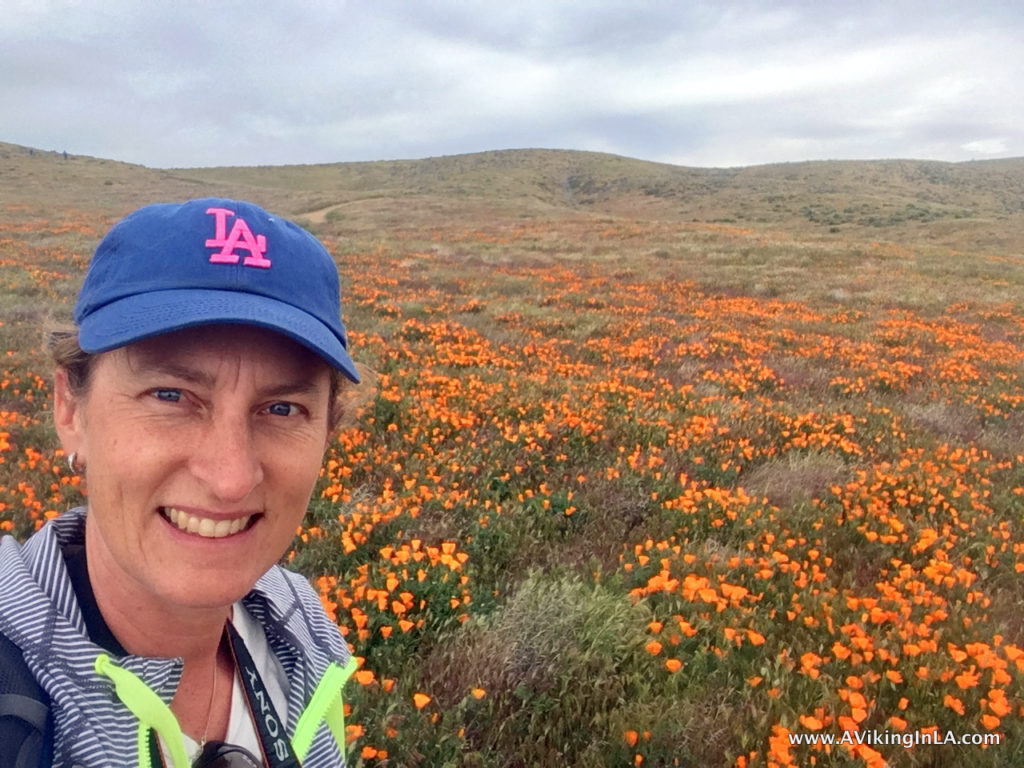
My wish to see the yearly California poppies finally came true. Every spring for years, when news of the upcoming poppy season and then pictures of the current bloom (some years better than others) would come out, I would yearn to see them in person. It wasn’t until we recently had a soccer tournament in Lancaster that I realized the poppy fields weren’t as far away as I had thought.

The Lancaster tournament was about a 75-minute drive north, and actually a beautiful drive once we got onto the Antelope Valley Freeway (Route 14). From Lancaster, Antelope Valley California Poppy Reserve was then only about 15 miles west. Our soccer tournament was too early in the season (end of February) to catch the poppies, but I knew then they were within reach.

We stayed in Los Angeles for Spring Break (first week of April), and I made a vow that we would see the poppies this year. The kids weren’t overly thrilled about the plan. They thought I should just be happy with the random poppies that had popped up around town along the roadsides. I powered through with my wish for the whole family to go, and as luck would have it, a friend of Sonny’s came along for the trip as well which was a nice distraction.

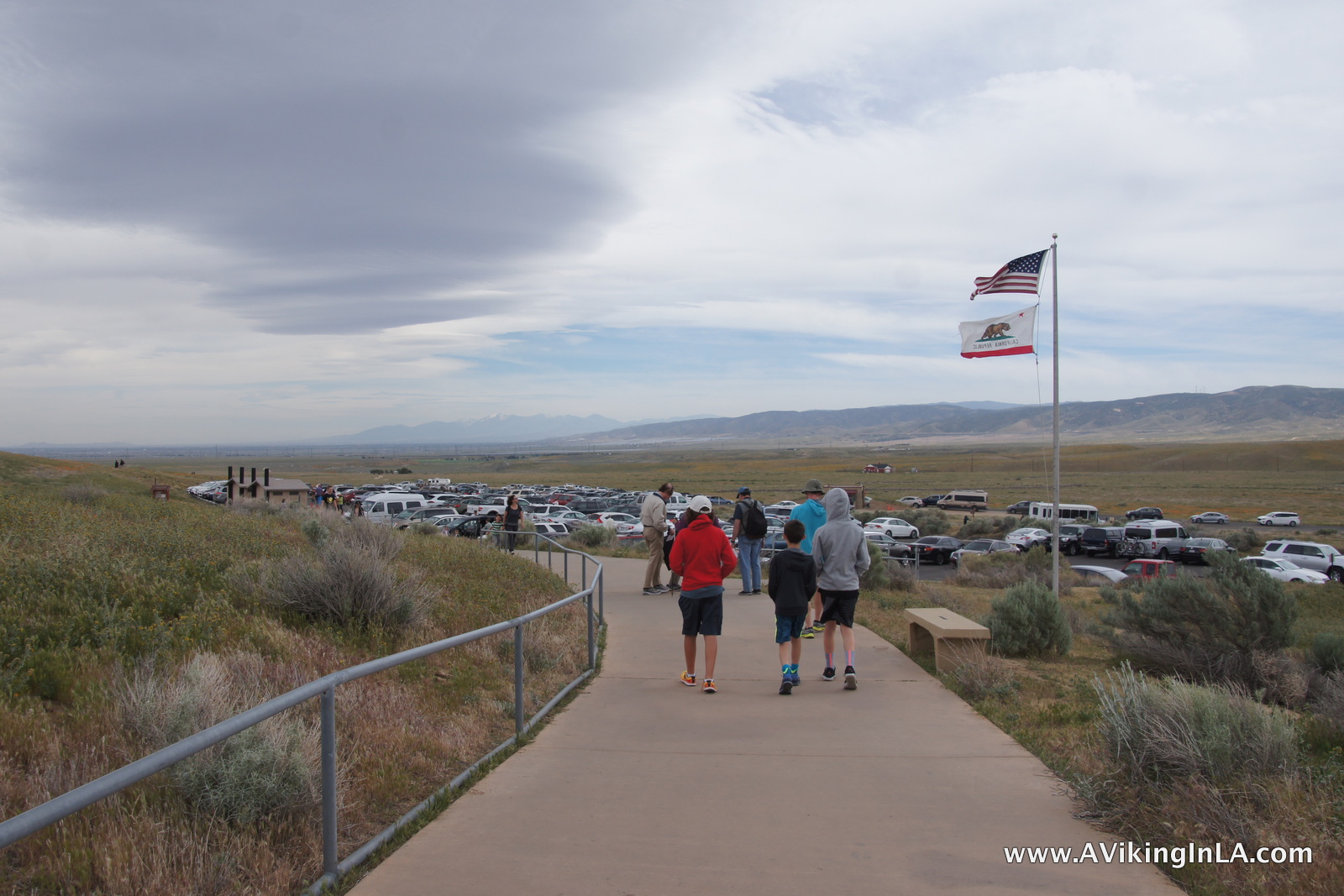
There had been news that poppy blooms were expected to be “moderate” this year and not the “jaw-dropping orange carpets” last seen in 2008 and 2010, but that didn’t stop interested people from making the trek. The park was advising visitors to come on weekdays instead of weekends due to the crowds and congested parking, so we headed to the reserve on a Thursday. The traffic cooperated and we were there in the minimum time anticipated. It was windy, as the park’s website had warned it often is, and cloudy, so we were grateful for sweatshirts we had brought along.

We began our visit at the interpretive center. It has an orientation video, some wildflower and wildlife exhibits, a gallery of botanical watercolor paintings, and a gift shop. Here I picked up a map of the trails. I also received one of the newly arrived park brochures that staff members were very excited to be able to hand out. I asked if they had a route to recommend, and of course they did, and then we were on our way.

Map from brochure by The Poppy Reserve/Mojave Desert Interpretive Association

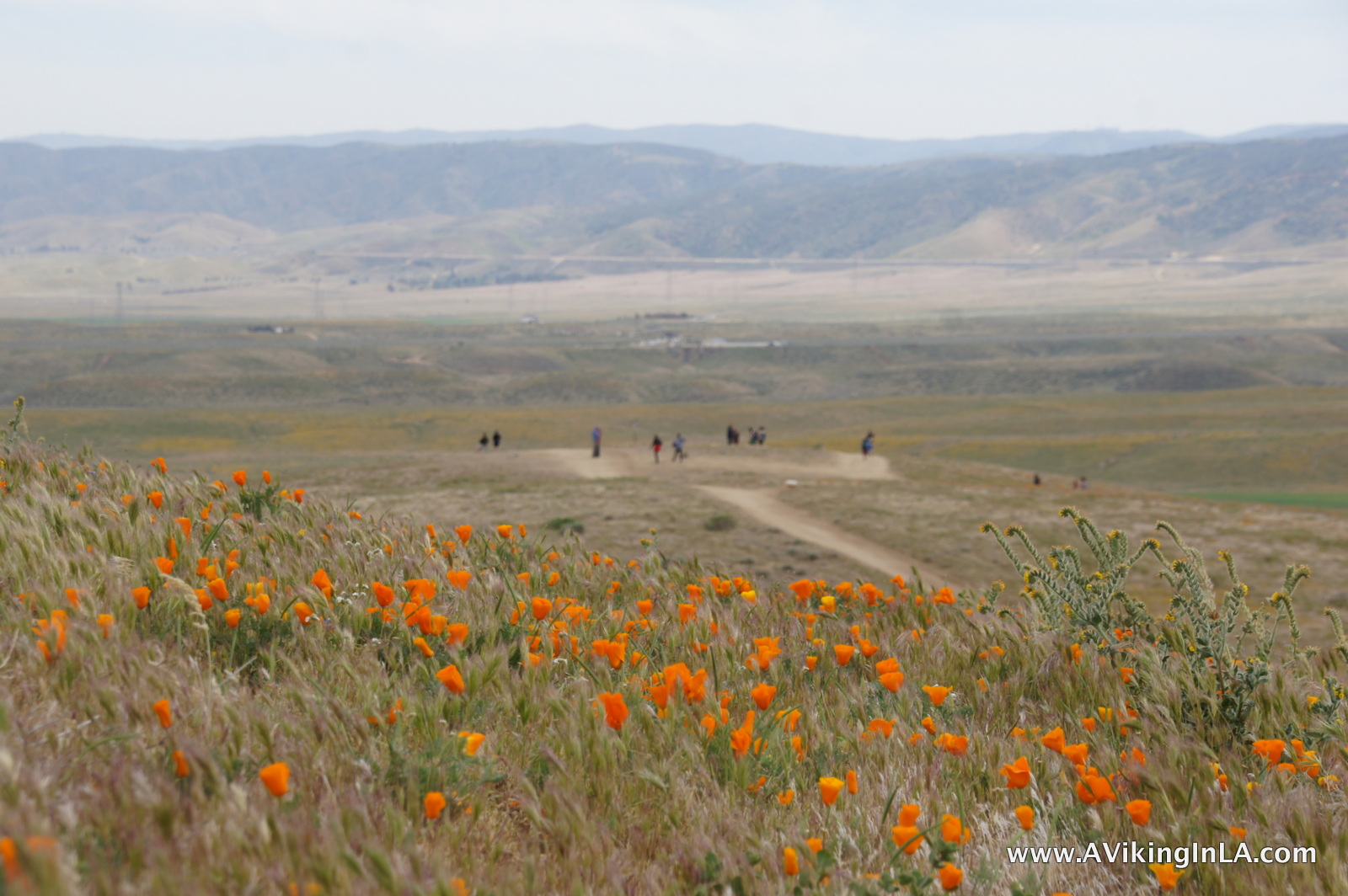
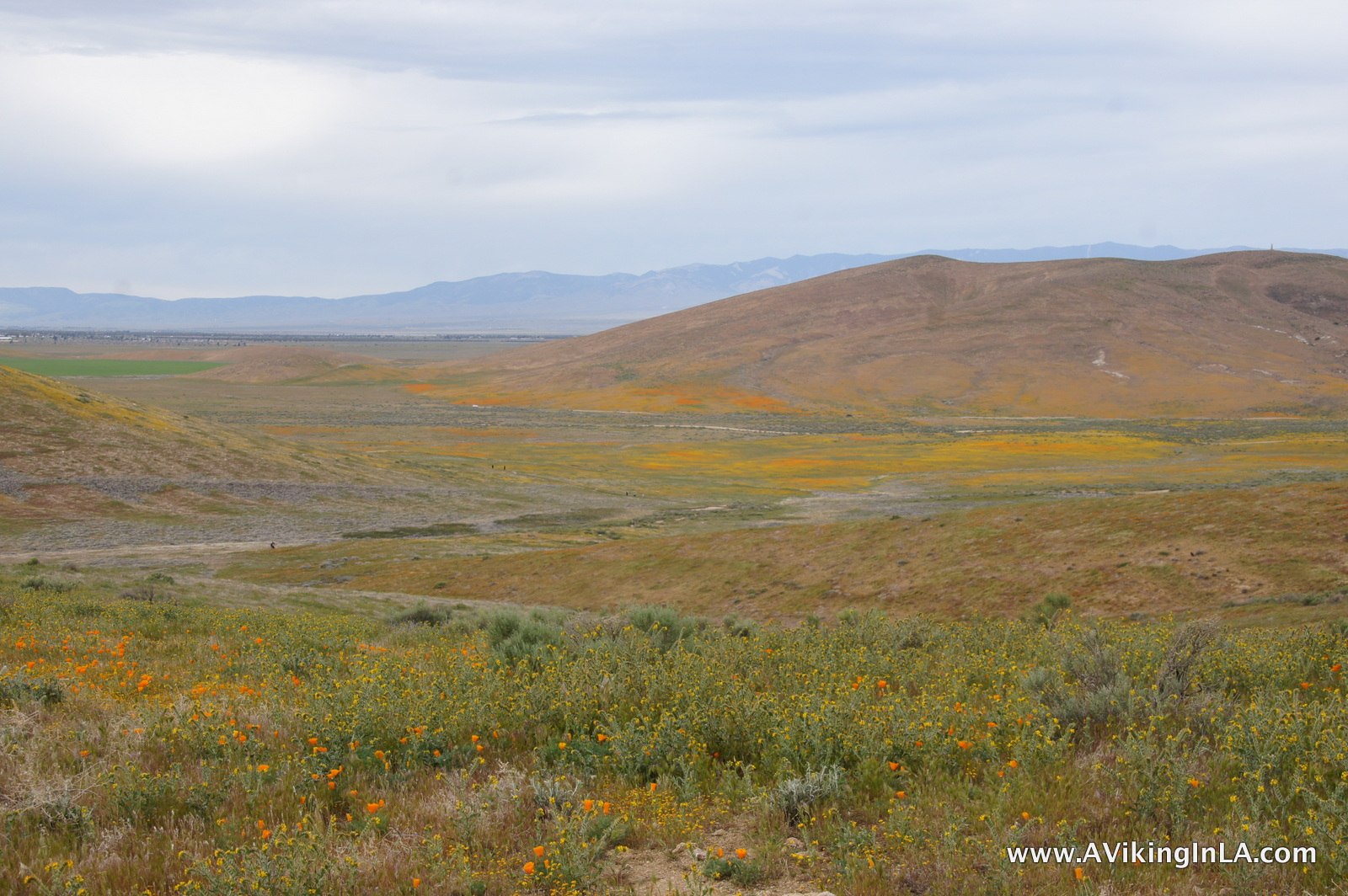
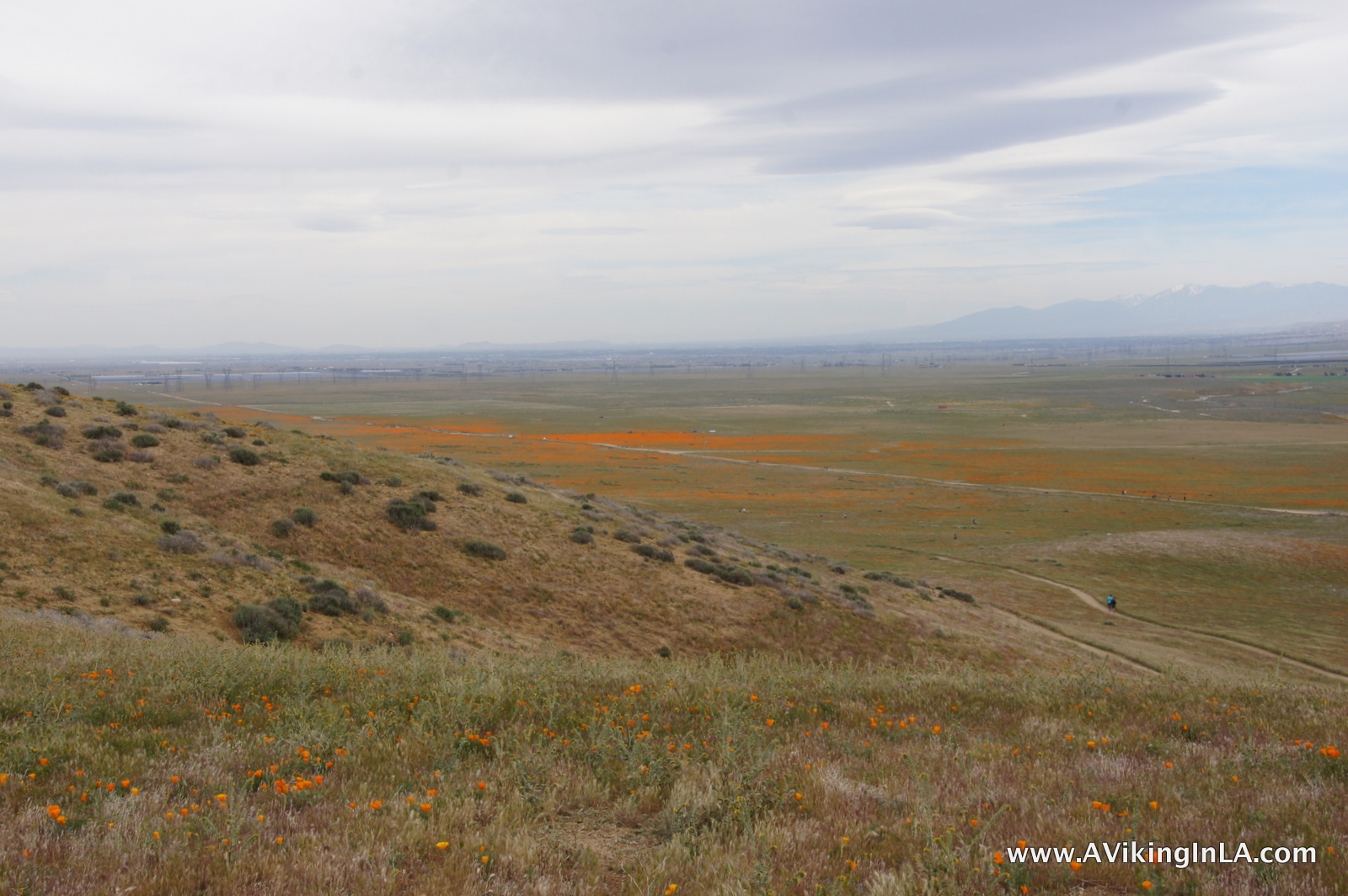
The reserve consists of eight miles of trails through hills and fields of wildflowers with benches along way to enjoy the views. Our hike was a 3-mile loop on wide dirt paths with gentle to moderate slopes, nothing difficult at all. From the interpretive center, we headed to Kitanemuk Vista Point. Off in the distance, we saw fields of yellow and orange; and along the trail, we saw a wide variety of colorful wildflowers.

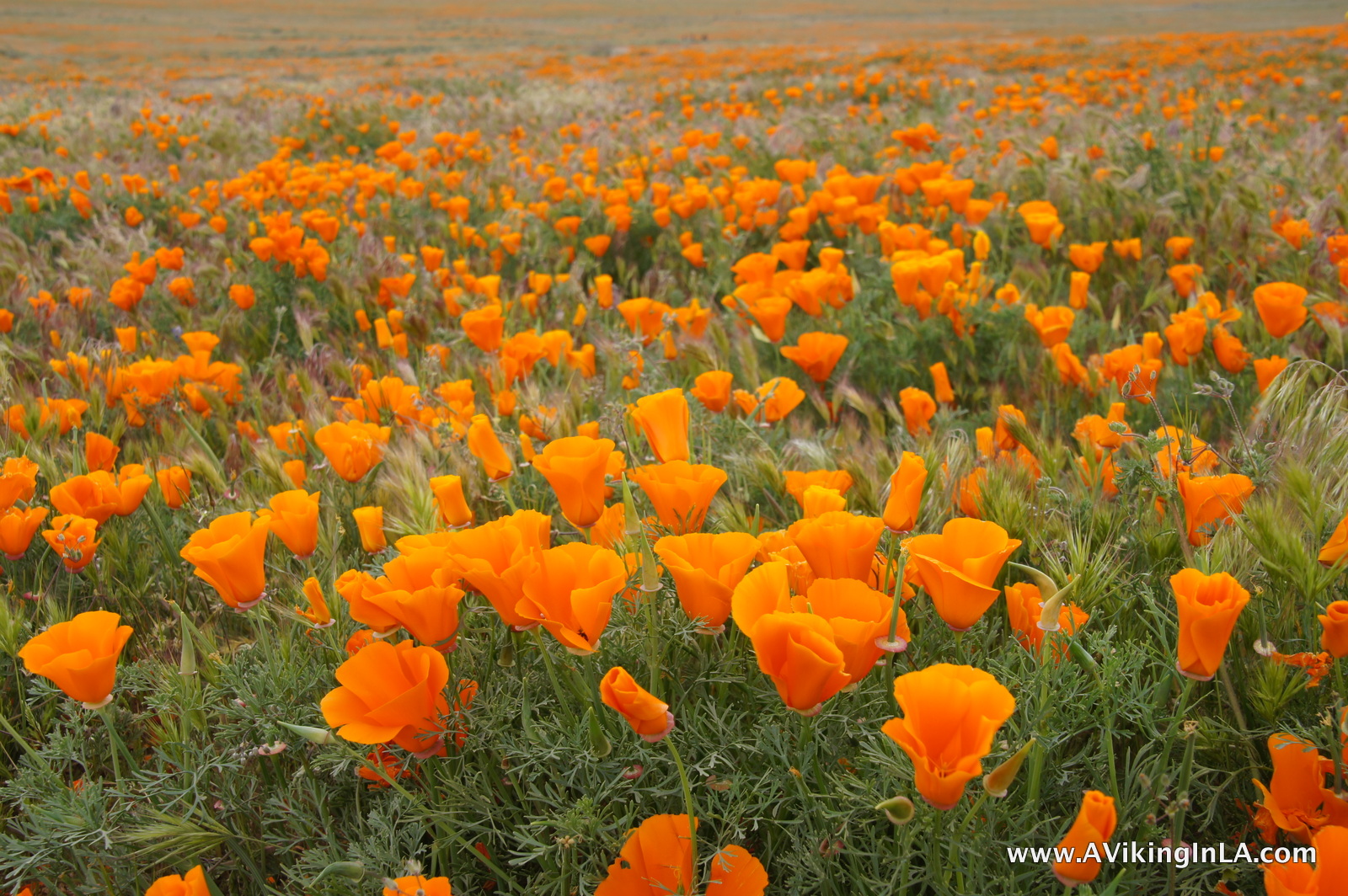
poppies and other wildflowers

The most amazing stretch of poppies was after the vista point and along the Antelope Trail Loop (between North and South trails). It was not a long stretch, but the poppies were close to the trail and abundant and beautiful. We felt lucky to have been guided to this particular area because it made the whole trip worth it.

The poppies weren’t as overall abundant and awe-inspiring as we were expecting, but I believe that was partly due to the weather that day. Since it was windy and cloudy and cool, all the poppies weren’t as open as they could be. Poppies curl up in cold weather.

At the reserve, there are strict rules to stay ON the paths and OUT of the poppy fields. Sadly, many people ignored or were unaware of those rules, and new paths had been created upon trampled flowers and grasses. In particular, I was deeply disturbed by two girls taking pictures of each other doing yoga poses in the field. For people who really want to traipse among the poppies, there’s a stretch along the main road leading to the entrance to the reserve where people can just park off the road and head onto land filled with poppies.

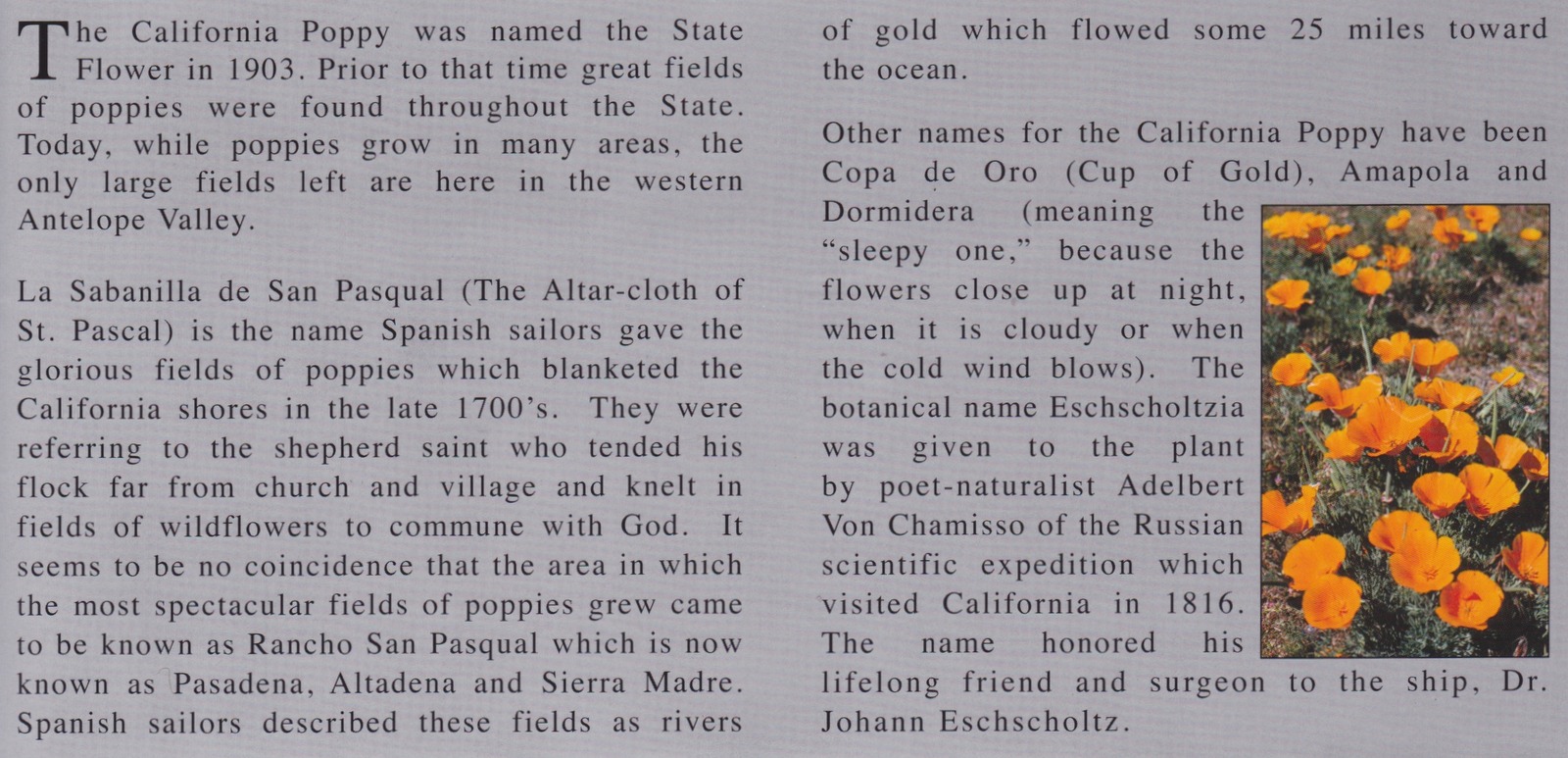
The California poppy was named California’s state flower in 1903, and coincidentally, April 6, the day we visited the reserve, is officially “California Poppy Day” (declared in 2010). “On California Poppy Day, all public schools and educational institutions are encouraged to conduct exercises honoring the California Poppy, including instruction about native plants, particularly the California Poppy, and the economic and aesthetic value of wildflowers; promoting responsible behavior toward our natural resources and a spirit of protection toward them; and emphasizing the value of natural resources and conservation of natural resources.”

Here’s some more interesting historical information about California’s state flower from the reserve’s brochure:

From brochure by The Poppy Reserve/Mojave Desert Interpretive Association

Staff members anticipate the bloom to possibly last until late April or early May depending on rain fall. Make sure to check Antelope Valley California Poppy Reserve’s website for bloom status updates before heading out or call Poppy Reserve Wildflower Hotline at
(661) 724-1180.

Ideally, while in Antelope Valley, I would have liked to have added a visit to Arthur B. Ripley Desert Woodland to our outing. The woodland is just seven miles west of Antelope Valley California Poppy Reserve. According to its website, it “protects and preserves an impressive stand of native Joshuas and junipers which once grew in great abundance throughout the valley.” Beautiful and interesting pictures can be seen on the Arthur B. Ripley Desert Woodland State Park Pinterest page. I’ll keep it mind for my next trip to see the poppies.

Have you seen the poppies?

Southern California’s Annual Scandinavian Festival Returns

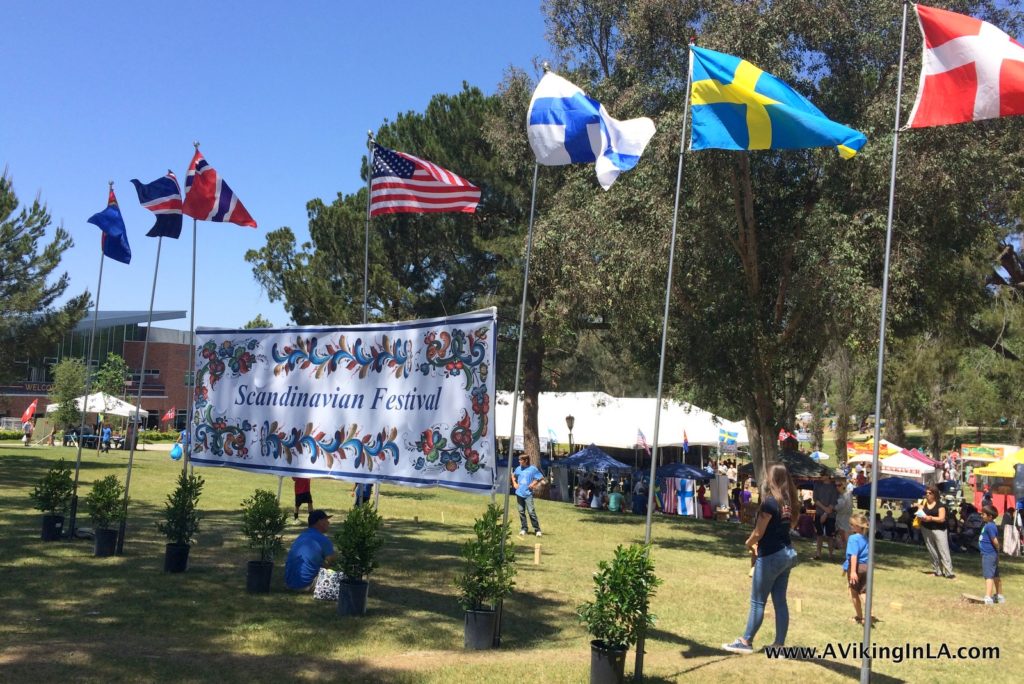
The annual Southern California Scandinavian Festival took a hiatus last year, but it’s back again this April for the 42nd time. It’s one of my favorite Scandinavian events in the greater Los Angeles area. We’ve gone as a family throughout the years and enjoyed lots of family friendly activities and great food. And the setting in Thousand Oaks is lovely. But then sports began taking over our weekends making it more difficult to attend, especially since the outing required close to an hour drive each way.

At the last festival in 2015, I chose to spend a day there alone instead of squeezing in a visit by the whole family. First I volunteered at an entrance selling tickets for a few hours, and then I wandered the grounds for a couple of hours more. What I love about the festival is that there is something for everyone, whether you’re there as a family with kids (kids 12 and under are free) or as adults enjoying on your own.

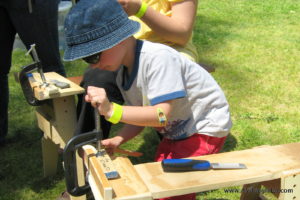
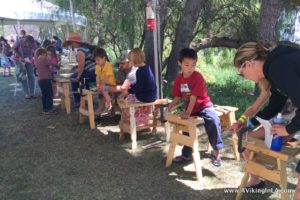
When we went as a family, it was all about keeping the kids occupied and happy, which certainly wasn’t hard. During their many visits throughout the years, my kids have made wooden butter knives, created fish print totes, made braided bracelets, marveled at Viking life, been fascinated by Viking weaponry, dressed like Vikings, fought like Vikings, played Kubb and croquet, played bingo, and climbed rock walls. They’ve eaten Swedish meatballs and pancakes, Danish aebleskiver, and Norwegian lefser.

We’ve always had a great time, but I wasn’t left with much of an opportunity to explore the more adult offerings. During visits with the family, I always spotted out of the corner of my eye the booths that demonstrated Nordic arts and crafts and food, but I never had a chance to really take a closer look. The musical performances on the festival stage I only enjoyed from afar. My perusal of the shopping area was always very quick.

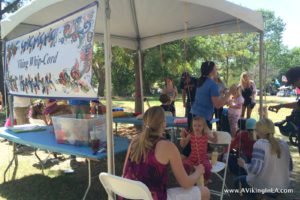
Last year when I went alone, I still looked to see what activities were available for kids. Every third year my children’s elementary school has an International Day and I’m always on the lookout for activities that I can offer to highlight Norwegian or Scandinavian culture. I learned about Viking whipcord braiding, where weighted bobbins (in this case bottles) are swung back and forth to create a braid. It certainly looked like something we could do at our school’s International Day. Also, I saw the butter knife making station was as popular as ever.

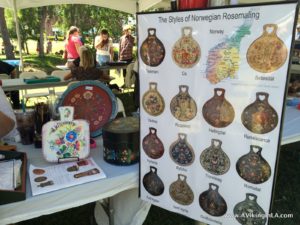
Needless to say, I was able to leisurely visit the demonstration booths. I learned more about arts and crafts such as bobbin lace making and traditional Norwegian rosemaling. I visited the food demonstration booth while they were making rosettes.

At the Nordic Shopping Mart, I admired a great assortment of products such as jewelry, linens, woodwork, and other Scandinavian inspired items. I enjoyed food from the food court and performances on stage.

This year promises many of the same fun activities and experiences for all, plus more. Kids will want to pick up a Children’s Passport when they arrive and set out on a quest to complete a trip through the Nordic countries of Norway, Sweden, Denmark, Finland, and Iceland. Each country will offer a hands-on craft, and upon completion, the kids can get their passports stamped. In Norway, they will have a chance to make their own rock troll to take home. In Sweden, they can make straw ornaments, and in Denmark, paper fish are the main attraction. There will also be much happening on the Children’s Stage. The schedule includes songs, games, stories, puppet shows, and more. And of course, kids will also be able to visit Torsten the Troll, play Dala Horse croquet and Viking Kubb, make a wooden butter knife, and visit the Viking Encampment and Sami Village.

New for adults this year is a DNA and genealogy expert who will represent Family Tree DNA. DNA kits will be available for purchase if you wish to see how much Viking blood you have. There will also be local experts from the Conejo Valley and Ventura County Genealogical Societies to give advice and assistance.

The festival opens on Saturday, April 1, at 10:30 a.m., with a colorful parade of flags, along with dignitaries from the participating countries. Many will be in traditional costumes which will add a nice festive touch. The festivities then continue with a full schedule of performances, lectures, demonstrations of crafts and foods, and activities.

There will also be screenings of the documentary Yoik Fever, produced by Ellen-Astri Lundby (2013), both Saturday and Sunday at 12 p.m. It’s about “a young Sámi-Norwegian music major yearning to connect to her heritage through the dwindling Sámi singing tradition of yoiking. Part road trip, this wholly inter-generational journey undertaken by Ylva to master the art of yoik reveals the conflicted and courageous state of Sámi identity today… Filmed in an entertaining cabaret-style mash-up of film styles and genres, the film’s ending will leave you with a serious case of ‘yoik fever!'”

I will be returning to the festival this year again as a volunteer. Sports schedules are not set yet so I don’t know if the whole family will be able to go. Whether I go alone or the family joins me, I’m certainly looking forward to the return of the festival.

Scandinavian Film Festival LA 2017: A Preview

sffla-header

The 18th annual Scandinavian Film Festival LA is around the corner. It is one of my favorite annual Scandinavian events in the Los Angeles area. The festival takes place over two weekends in January (14th and 15th followed by 21st and 22nd) at Writers Guild Theater in Beverly Hills. I always look forward to seeing what’s being offered and hope there’s a movie that will transport me back to Norway through language and setting or bring alive a part of Norwegian history for me. I also don’t mind being an armchair traveler to other countries in the region. Continue reading

Volunteering at Norwegian Church’s Christmas Bazaar 2016

volunteering

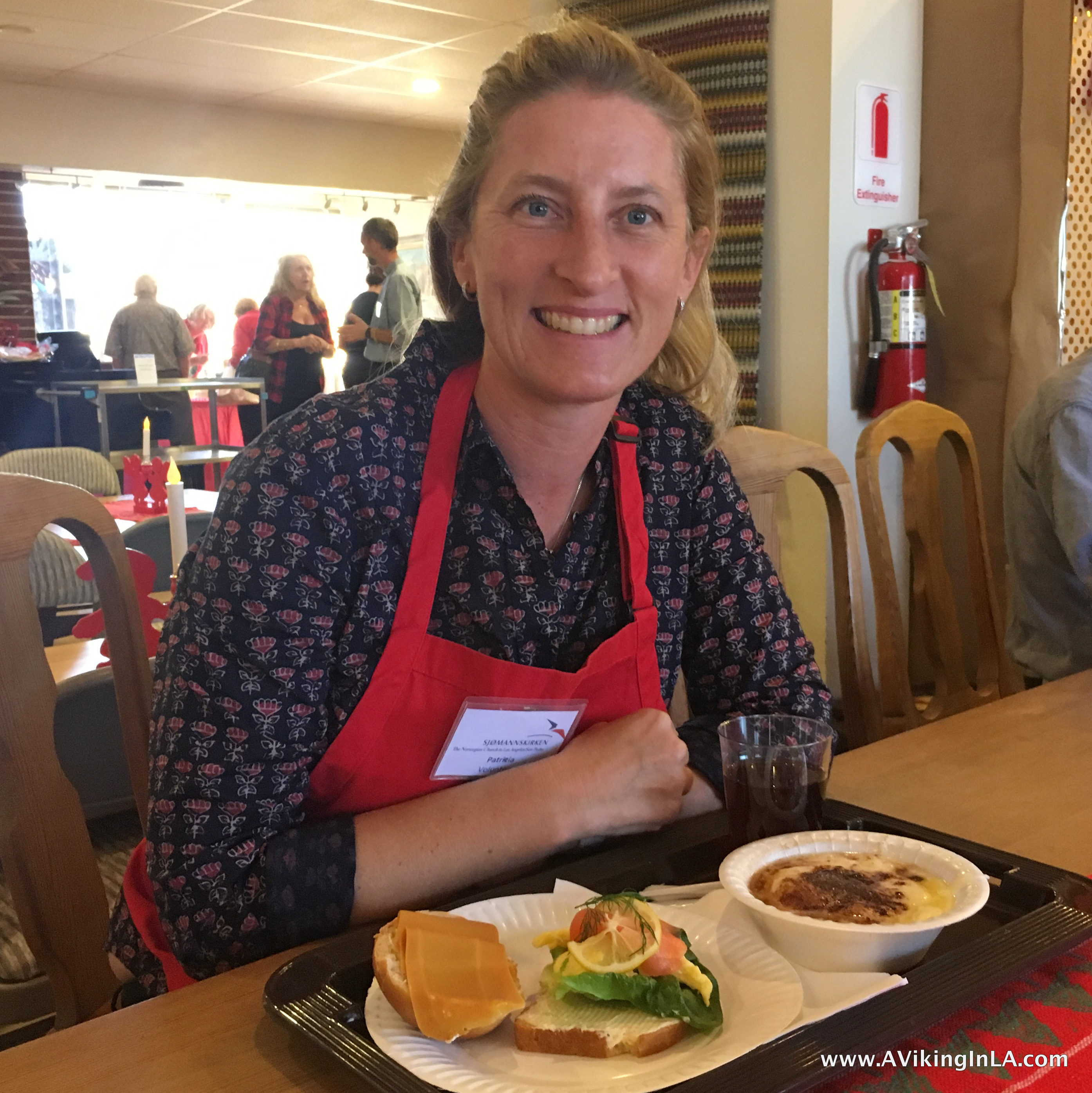
This year I switched things up and volunteered at the Norwegian Church’s Christmas Bazaar instead of just attending as a guest. My day was all about food which suited me perfectly.

For me, food has always been a main reason for going to the event. I come to eat foods I only eat once a year, to buy freshly baked goods from the bakery, and to stock up on foods and drinks for Christmas time. On this occasion, I was assigned to the kitchen and café, and that was an assignment I appreciated and enjoyed greatly.

My day started out with getting wienerpølser (Norwegian sausages) in a pot for simmering, stirring lapskaus (meat stew), and slicing geitost (goat cheese) for julebrød (sweet bread with raisins). Once the event officially began, I headed out to the café and served cake and sandwiches to eager guests. Continue reading

Norwegian Language Opportunities in Los Angeles

norwegian-alphabet-jana-johnson-schnoor

Norwegian Alphabet by Jana Johnson Schnoor

Norwegian is not in high demand so opportunities to learn and use the language here in Los Angeles are very limited. There are, however, two establishments that stand out as centers for Norwegian language and culture here in the Los Angeles area: Norwegian Church in San Pedro and Scandinavian Center in Thousand Oaks. At both places, you can not only pursue your interest in learning Norwegian, but you can also learn about Norwegian culture and customs. Continue reading

Family Hike: Runyon Canyon

Runyon Canyon has been in the news a bit this summer due its recent facelift. It’s an extremely popular urban LA hike in the Hollywood Hills that is known as not only a great workout but also an interesting people watching place and “Instagram photo opp”.

Runyon Canyon east trail

It was closed for four months (April – July 2016) to replace a water pipeline and renovate the main trail. Now it has a newly paved fire road and new water fountains. It hadn’t been on my list of hikes I really wanted to do, but now that I had read about it in blogs and newspapers, I wanted to check it out – and I rallied the family to join me. Continue reading